

JOHANNESBURG
WHY SHOOT IN JOHANNESBURG?
Johannesburg works for commercials, features, documentaries, music videos, fashion and stills. It is a big, working city, so crew, equipment, casting and studios are all close to hand. English is the working language, and the city has the main international airport for South Africa, which makes it a practical first stop for visiting crews.
LOCATIONS
The Sandton skyline and the city centre give you a modern city look. Maboneng and the inner city add street level texture and murals. Soweto offers township life and strong cultural stories. Beyond the city, Highveld grassland and the Magaliesberg hills are within easy reach for open landscape shots.
- Sandton and the city skyline
- Inner city and Maboneng
- Soweto
- Highveld and the Magaliesberg
BEST TIME TO SHOOT
Winter, from about May to August, is dry with clear skies and cold nights. Summer brings warm days, but afternoon thunderstorms are common, so we build flexible schedules and cover sets into summer shoots. Tell us your dates and we will plan around the weather.
WHAT WE ORGANISE
What African Fixer organises in Johannesburg.
- Filming and location permits
- Location scouting and recces
- Casting
- Local crew and heads of department
- Camera, lighting and grip hire
- Vehicles, transport and accommodation
- Customs clearance for imported equipment
- On the ground problem solving during the shoot
PERMITS AND EQUIPMENT
Commercial film, video and photography shoots in Johannesburg need permits, and some locations need separate approval from the property owner or authority. We secure the approvals for you.
South Africa accepts ATA Carnets, so imported camera and lighting kit can come in duty free for the shoot. Your equipment must leave through a designated commercial customs point, such as an international airport, or the carnet is not discharged. We plan your route so this is covered. See our guide to which African countries accept an ATA Carnet.
EXPERIENCE
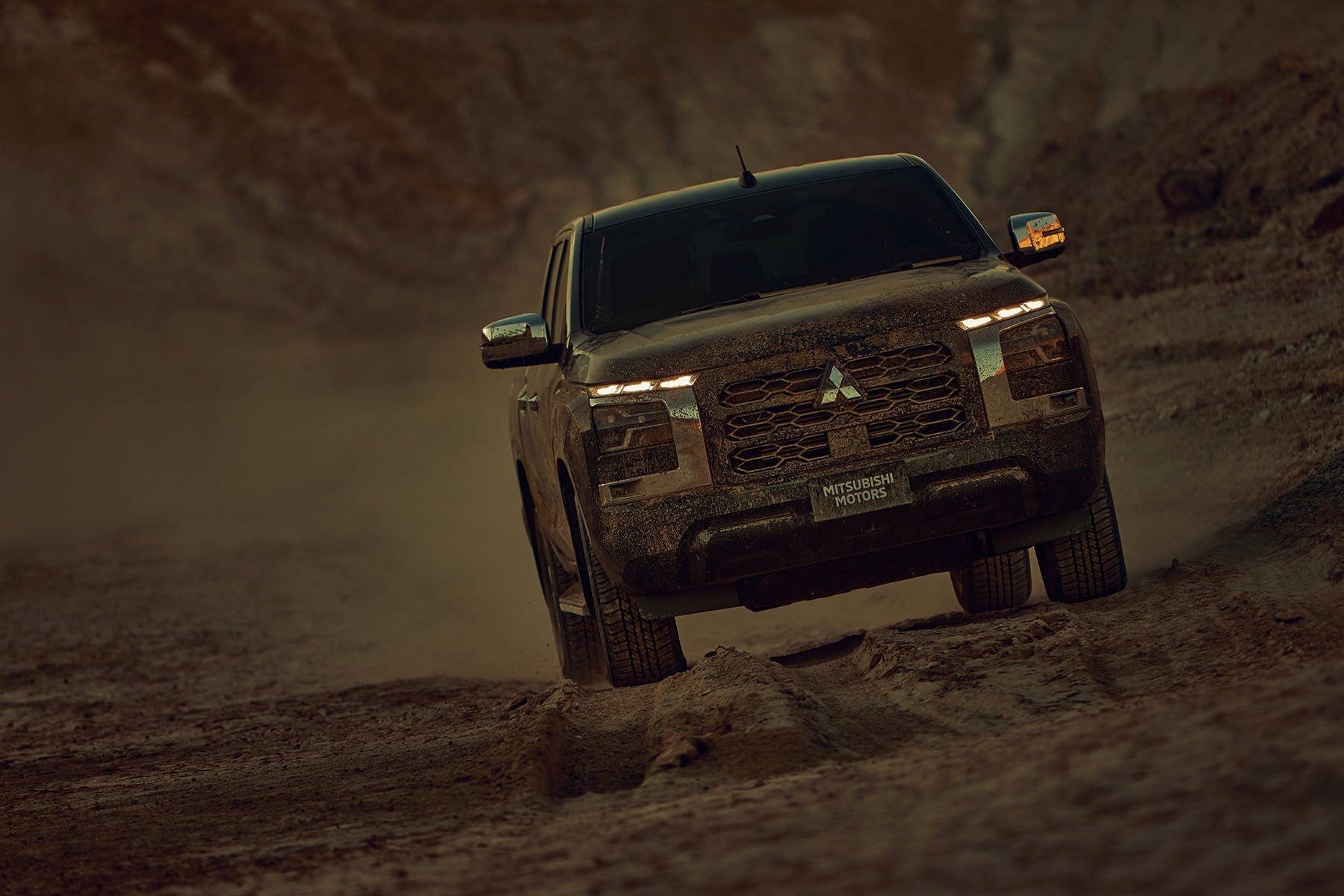
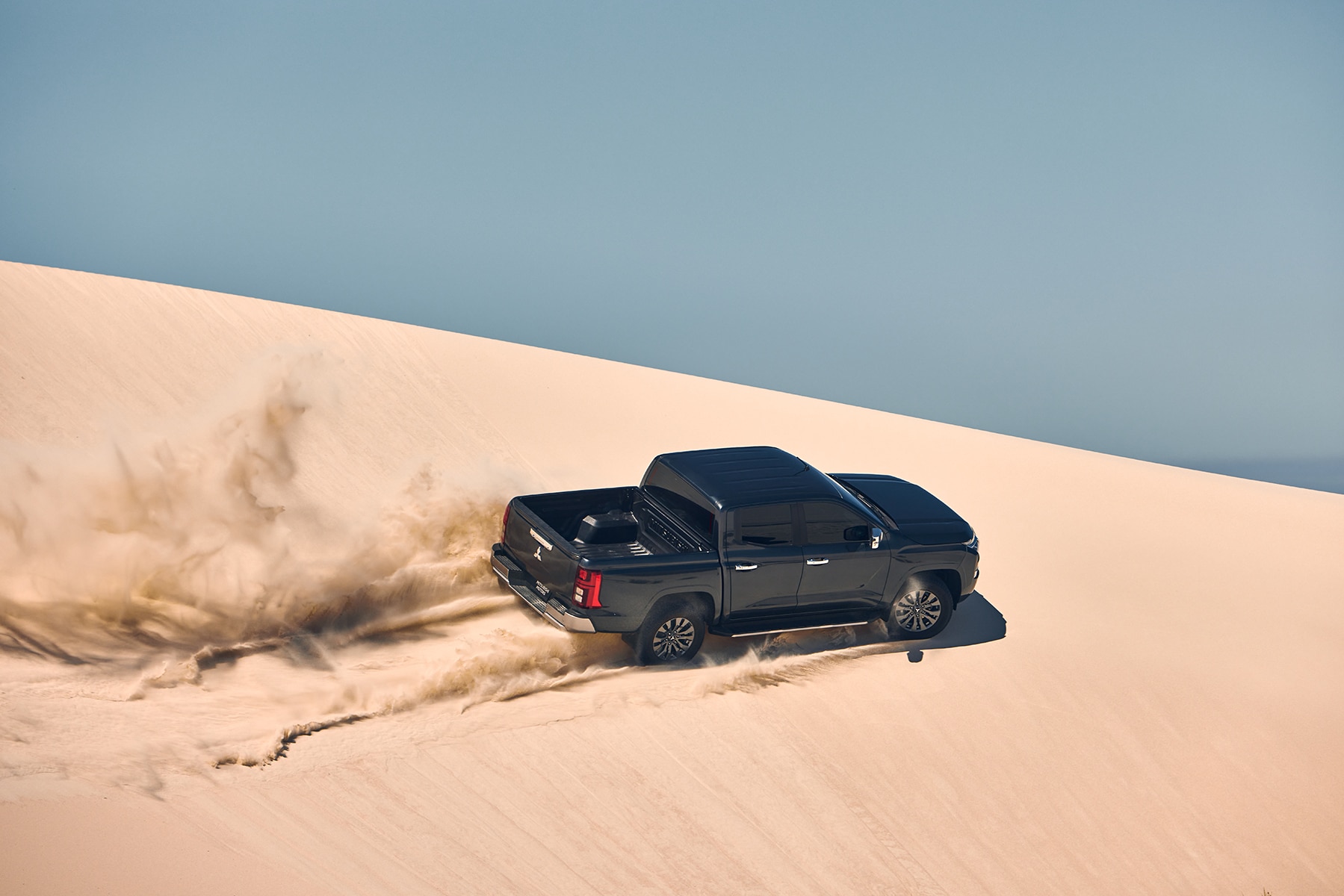
African Fixer has serviced commercial work across South Africa, including DSV’s “The Drive Hero”. Our local team supports shoots in Johannesburg and across the country.
MORE ON SOUTH AFRICA
Frequently Asked Questions
Yes. Commercial film, video and photography shoots in Johannesburg need permits, and some locations need extra approval. African Fixer secures the approvals on your behalf.
Yes. We provide vetted local crew, heads of department, camera and lighting hire, vehicles and full logistics.
Winter, from about May to August, is dry with clear skies. Summer has warm days but frequent afternoon thunderstorms.
Yes. South Africa accepts ATA Carnets. Equipment must leave through a designated customs point, and we plan this with you.
A local fixer is your single point of contact for permits, customs, locations, transport and problem solving on the ground.
Planning a shoot in Johannesburg?
Send us your brief and dates and we will come back with a plan.

More South Africa guides
Latest Posts
-
 South Africa Car Commercial Locations, Crew & Equipment (2026)
-
 Why South Africa Continues to Attract International Film Productions in 2026
-
 AFRICA ISN’T ONE STORY — IT’S THOUSANDS
-
The Rise of African Cinema: A New Era of Film, Funding & Global Recognition
-
Reduce Costs While Filming in South Africa
-
Permits: What You Need to Know About Filming in Africa
-
Spotlight on Africa’s Film Potential: Why the Country Is the Next Big Thing for International Productions
-
The Top 5 Beaches in South Africa and Mauritius: A Filmmaker’s Paradise!