

Namibia
Why Film in Namibia?
Namibia is a photographer’s and filmmaker’s dream – vast, empty, endlessly graphic desert scenery under huge skies, with excellent light, easy logistics for a remote destination, and a stable, English-speaking, film-friendly environment.
- The world’s most iconic red dunes at Sossusvlei and Deadvlei
- Shipwrecks and fog on the wild Skeleton Coast
- Kolmanskop’s surreal sand-filled ghost town
- Etosha’s wildlife and vast white salt pan
- Exceptional clear light and graphic, minimalist landscapes
- Safe, stable and English-speaking, with strong ties to South African crew
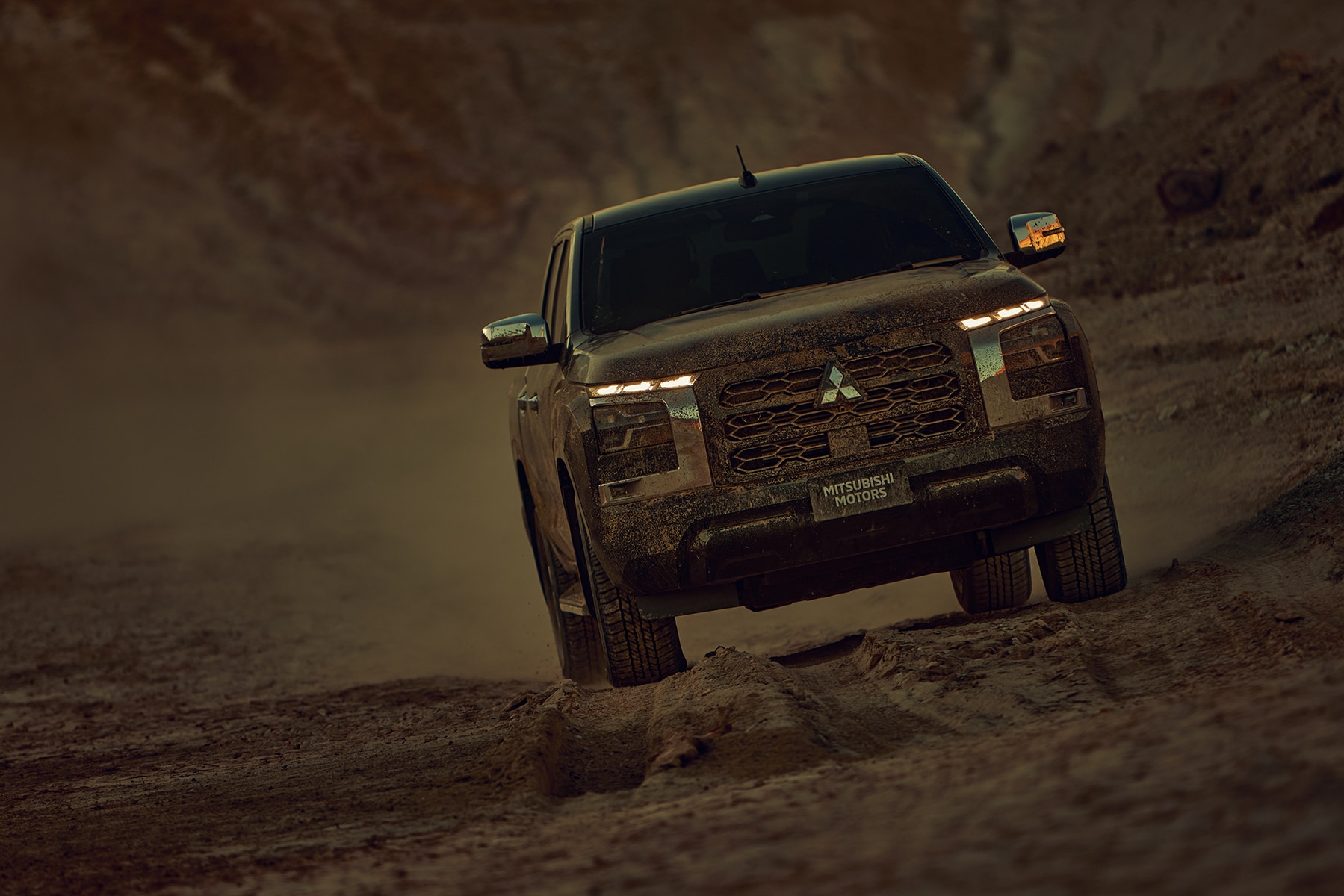
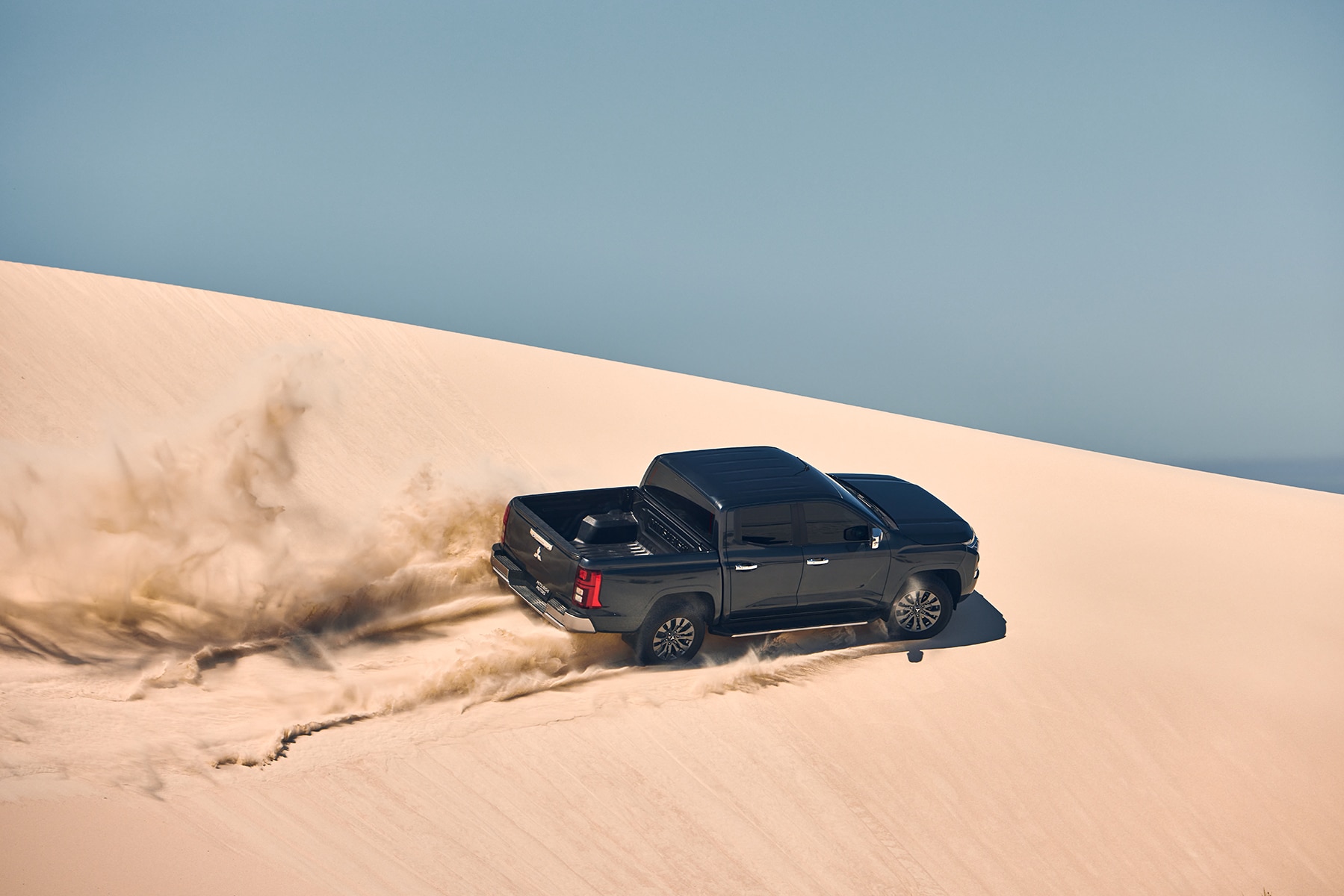
- Excellent for car commercials, fashion, sci-fi and desert doubling
- Uncrowded locations and reliable dry-season weather
-
Capital City
Windhoek
-
Main Cities
Windhoek, Swakopmund, Walvis Bay and Lüderitz
-
Main Languages
English (official); Afrikaans, German and Oshiwambo widely used
-
Currency
Namibian Dollar (NAD), pegged to and used alongside the South African Rand
-
Weather
Namibia has an arid climate with extreme seasonal variations: Summers (October – April): Extremely hot, especially in desert regions. Winters (May – September): Mild, with cooler temperatures along the coast due to mist and wind.
-
Climate
Arid desert – warm sunny days, cool nights and very low rainfall
-
Best Time To Shoot
Year-round; best April to October (dry and cooler)
-
Main Production Hubs
Windhoek and Swakopmund
Production Services
Our Namibia production services include:
- Local Producers
- Film Fixers
- Production Management
- Film, Video & Stills Crew
- Camera Equipment
- Lighting & Grip
- Drone Operators
- Location Scouting
- Film Permits
- Casting
- Transport & Logistics
- Crew & Cast Accommodation
- Security
- Catering
Crew & Equipment
Namibia is superb for car commercials, fashion, sci-fi, travel and desert-set productions, with capable local fixers and a strong crew pipeline from neighbouring South Africa.
Available crew includes local producers, fixers, production managers, camera and drone operators, and location and logistics specialists, with senior technical crew and specialist equipment routinely brought in from South Africa.
Camera, grip and specialist packages are commonly sourced from South Africa, and productions plan for long distances, 4×4 transport and remote-desert logistics.
Top Filming Locations
-
Namib Desert plains
Endless graphic desert under huge skies.
-
Skeleton Coast
Shipwrecks, fog and desolate Atlantic shore.
-
Swakopmund
German colonial town where desert meets sea.
-
Etosha National Park
Wildlife around a shimmering salt pan.
-
Kolmanskop
Sand-filled diamond-era ghost town.
-
Spitzkoppe
Dramatic granite peaks, the "Matterhorn of Namibia".
-
Sossusvlei
Towering red dunes and classic Namib imagery.
-
Deadvlei
White clay pan studded with blackened dead trees.
-
Dune 45 & Sesriem Canyon
Signature climbable dune and a narrow gorge.
-
Cape Cross
Vast Cape fur seal colony.
-
Walvis Bay
Flamingos, lagoons and dunes plunging into the ocean.
-
Lüderitz
Colonial town on the wild southern coast.
-
Fish River Canyon
One of the largest canyons on Earth.
-
Damaraland
Desert-adapted elephants and stark wilderness.
-
Twyfelfontein
UNESCO rock engravings.
-
Quiver Tree Forest
Otherworldly aloe trees at sunset.
-
Kalahari red dunes
Warm-toned grasslands and dunes in the east.
-
Sandwich Harbour
Giant dunes meeting the Atlantic.
-
Himba villages, Kaokoland
Striking traditional culture in the north-west.
-
Windhoek
Compact capital with colonial architecture.
Luxury Lodge & Hotel Options
Namibia’s desert lodges and coastal hotels suit travel, wildlife and lifestyle productions. Access for filming is subject to approval, permits and availability.
- Sossusvlei Desert Lodge (andBeyond) – Ultra-luxury lodge in a private desert reserve.
- Little Kulala (Wilderness) – Design-led luxury near Sossusvlei.
- Hoanib Skeleton Coast Camp – Remote luxury in the north-west.
- Onguma The Fort, Etosha – Striking lodge on the edge of Etosha.
- Strand Hotel Swakopmund – Seafront hotel in the colonial coastal town.
- Gondwana Collection lodges – Well-run lodges across the key regions.
Crew & Cast Accommodation
Accommodation runs from desert lodges and guest farms at the locations to city and coastal hotels in Windhoek and Swakopmund, with mobile camps for the most remote shoots. We arrange group bookings, 4x4s and logistics.
- Luxury (talent, directors, key clients)
Sossusvlei Desert Lodge / Little Kulala – Premium desert bases for talent and clients.
Hoanib Skeleton Coast Camp – Standout remote luxury. - Mid-range (main crew, production team)
Windhoek: Hilton Windhoek, Avani and Am Weinberg – Reliable capital hotels.
Swakopmund: Strand Hotel and Hansa Hotel – Comfortable coastal bases.
Sossusvlei & Etosha gateways: Sossus Dune Lodge, Sesriem and Okaukuejo – Practical location bases. - Budget & serviced options (extended crew, longer shoots)
Guest farms and mid-range lodges – Value options across the desert regions.
Mobile tented camps – Arranged for the most remote locations, with catering and logistics.
Accommodation availability and rates vary by season and should be booked well in advance. African Fixer manages crew and cast bookings, transfers and per-location logistics as part of production support.
Best Time to Shoot
- April to October – Dry, cooler season with clear skies – the prime window for most productions.
- May to September – Excellent light and comfortable daytime temperatures, cold desert nights.
- November to March – Hotter, with occasional short rains that can briefly green the desert and fill pans.
- Coastal fog on the Skeleton Coast is most common in the mornings – atmospheric, but worth planning around.
Visa Requirements
International cast and crew should confirm visa and work permission requirements before travelling. Typical documents may include a valid passport, flight details, accommodation details, invitation letter, crew list and equipment list.
-
Required Documentation
Submit a work visa application, power of attorney letter, and a certified passport copy. Applications are processed on behalf of the client, eliminating the need for embassy visits.
-
Timings
Approximately 15 working days.
-
Cost
NAD 1,100.
International Crew Accreditation
International productions may require local coordination, film permissions and supporting letters depending on the production type, locations and crew nationality, and should work with an in-country fixer or service company.
General Film Permit
Filming permits are issued through the Namibia Film Commission, which is film-friendly and efficient, with additional permits for national parks and reserves (such as Etosha) via the relevant park authorities. Some private reserves and heritage sites require their own permissions. Work through a local service company and allow lead time.
Drone Permit
Commercial drone filming requires authorisation from the Namibia Civil Aviation Authority, and drone use is restricted in national parks. Permissions should be arranged in advance, especially near airports, towns and protected areas.
-
Importation Regulations
Foreign drones are permitted but should ideally be imported under a carnet to ease customs clearance.
-
Permit Issuance
Namibia Civil Aviation Authority (NCAA).
-
Required Documentation
International operators must register with the Namibia Civil Aviation Authority (NCAA).
-
Timings
21–28 working days.
-
Cost
NAD 4,500.
Equipment Customs Clearance
Namibia is a Carnet country, allowing temporary duty-free importation of film equipment.
Safety and Security
Namibia is very safe and stable and is well suited to remote and self-drive shoots. The main considerations are vast distances, remote logistics and limited services between towns, so fuel, water, communications and medical-evacuation planning should be built into the schedule. Strong crew and equipment links to South Africa support most productions.
-
Petty theft risk
Lock vehicles and secure accommodations.
-
On-set security
Recommended for static sets and built locations to prevent equipment theft.
Rebates & Incentives
Namibia does not currently operate a dedicated national film cash rebate for international productions, so budgets should not rely on a rebate.
Namibia nonetheless offers outstanding, uncrowded locations, efficient permitting through the Namibia Film Commission and strong logistics. African Fixer will confirm the latest position on permit fees and any incentives, and can advise on combining Namibia with neighbouring rebate destinations such as South Africa.
Frequently Asked Questions
Yes. Permits are issued through the film-friendly Namibia Film Commission, with additional park permits (for example Etosha) via the relevant authorities.
Yes. Namibia has capable local fixers and crew, with senior technical crew and specialist equipment routinely brought in from South Africa.
Sossusvlei and Deadvlei's red dunes, the Skeleton Coast, Kolmanskop ghost town and Etosha National Park.
Desert lodges and guest farms at the locations, city and coastal hotels in Windhoek and Swakopmund, and mobile camps for remote shoots.
Yes, with the correct customs paperwork; an ATA Carnet may be used, and packages are commonly brought in from South Africa.
Yes. Drone filming requires Namibia Civil Aviation Authority authorisation and is restricted in national parks.
No dedicated national rebate currently. Namibia offers strong locations and logistics; we confirm the latest position and can pair it with rebate destinations nearby.
Yes, especially for car commercials, fashion, sci-fi and desert-set productions needing empty, graphic landscapes.
Yes. We provide full production support from planning through to wrap, including remote-desert logistics.
Did You Know?
The Namib is considered the oldest desert on Earth, and Deadvlei’s skeletal camel-thorn trees have stood for around 900 years, too dry to decay – a surreal, instantly recognisable backdrop that has drawn car commercials, fashion shoots and sci-fi features from around the world.
PRO TIP:
Shoot Sossusvlei and Deadvlei at first light for the sculptural dune shadows and to beat the heat and crowds, plan for long drives and fuel stops between locations, and use the cool dry season (April to October) for the clearest desert light.