Africa is not a single production market. It is 54 independent countries, each with its own film authority, customs framework, aviation regulator, environmental legislation, and visa structure.
For international producers, the opportunity is vast. The operational landscape requires preparation.
Professional Film Production Support in Africa transforms complexity into structure. With the right planning, the continent delivers extraordinary creative range within a controlled and compliant framework.
This guide outlines what producers should understand before committing to a shoot anywhere in Africa.
Understanding Regulatory Frameworks Across Africa
There is no universal “Africa film permit.”
Each country governs filming independently through national ministries, film commissions, municipal authorities, and in some cases script review boards. Some territories require only location-based approvals. Others require content submissions and environmental clearance.
Professional Production Services in Africa begin with regulatory mapping:
- National film permits
- Municipal permissions
- National park approvals
- Heritage site coordination
- Environmental compliance
- Drone and aviation authorization
Early engagement prevents schedule compression and last-minute risk exposure.
Aviation & Drone Compliance
Aerial production in Africa is highly regulated. Civil aviation authorities operate independently in each country, with distinct requirements for:
- Operator licensing validation
- Aircraft registration
- Insurance documentation
- Flight plan approval
- Airspace coordination
Drone permissions cannot be transferred across borders. Approvals must be secured per jurisdiction.
Experienced Film Production Support in Africa ensures aerial filming remains compliant and uninterrupted.
Equipment & Customs Logistics
Moving equipment into Africa, and especially between African countries, requires structured planning.
Producers must consider:
- ATA Carnets or temporary import permits
- Customs bonds and declarations
- Border inspection procedures
- Freight routing timelines
- Insurance validation
Without documentation aligned in advance, equipment can be delayed at ports of entry.
Professional Production Services in Africa manage customs coordination before gear departs its origin country.
Environmental & Wildlife Protocol
Africa hosts some of the most protected ecological regions in the world. National parks, marine reserves, conservation areas, and UNESCO heritage sites operate under strict oversight.
Filming in these areas may require:
- Wildlife authority supervision
- Environmental impact review
- Restricted vehicle access
- Licensed ranger accompaniment
- Seasonal migration considerations
An experienced African Film Production Company works directly with conservation authorities to align production with environmental regulations.
Responsible production protects both the ecosystem and the project timeline.
Infrastructure & Regional Variation
Production infrastructure varies significantly by region.
Some countries offer:
- Established studio facilities
- Experienced English- and French-speaking crews
- High-capacity rental houses
- Competitive rebate programs
Other territories offer extraordinary landscapes with more limited infrastructure, requiring enhanced logistical planning.
Professional Film Production Support in Africa includes infrastructure assessment during feasibility. Power access, transport routes, accommodation capacity, medical facilities, and security conditions are evaluated before creative commitments are finalized.
Visa & Work Authorization
Visa requirements vary depending on nationality and duration of stay. Some countries offer visa-on-arrival. Others require advance application or work permits for crew.
Failure to align visa timelines with production schedules can cause avoidable disruption.
A structured African Film Production Company coordinates visa documentation in parallel with permitting and customs processes.
Risk Management & Contingency Planning
Africa is diverse not only geographically but politically and seasonally.
Risk planning includes:
- Seasonal rainfall modeling
- Infrastructure reliability assessment
- Regional security monitoring
- Health and medical contingency planning
- Alternative location mapping
Professional Production Services in Africa integrate contingency planning into pre-production rather than treating it as an afterthought.
Why Structured Film Production Support in Africa Matters
Creative ambition alone does not sustain production. Structure does.
An experienced African Film Production Company understands that each territory operates independently. Success comes from:
- Early regulatory engagement
- Parallel permit processing
- Cross-border logistical alignment
- Local authority coordination
- Transparent budgeting
- Operational oversight
With disciplined planning, Africa becomes one of the most visually versatile and production-capable regions in the world.
Without it, complexity multiplies quickly.
Budget Structuring & Cost Variables Across African Territories
Budgeting for production in Africa requires precision rather than assumption.
Costs vary significantly between countries and even between regions within the same country. Urban hubs may offer established rental infrastructure and experienced crew bases, while remote regions may require transport build-outs, generator supply, satellite communications, or accommodation block bookings.
Key cost variables include:
- Permit and administrative fees
- Location access charges
- Wildlife authority supervision fees
- Aviation and drone processing costs
- Equipment freight and customs bonds
- Security and risk mitigation
- Regional transport logistics
- Local crew rates by territory
Professional Film Production Support in Africa includes early-stage budget forecasting based on jurisdiction-specific variables. Rather than applying blanket continental assumptions, each country is costed independently and transparently.
This prevents under-budgeting in protected areas or over-budgeting in territories with competitive infrastructure.
Communication & Local Authority Coordination
Clear communication with authorities is central to successful production.
Across Africa, coordination may involve:
- Ministries of Information or Culture
- National Film Commissions
- Civil Aviation Authorities
- Customs and Revenue Agencies
- National Park Boards
- Municipal councils
- Heritage preservation bodies
In many territories, relationship management and procedural accuracy matter as much as documentation.
An experienced African Film Production Company ensures that submissions are correctly formatted, timelines are realistic, and communication channels remain open throughout pre-production and principal photography.
This is particularly important when filming in politically sensitive or culturally significant locations. Community liaison and local engagement are often part of the approval process.
Seasonal & Geographic Planning
Africa’s climate systems vary dramatically across regions.
While one country may be in dry season, another may be in peak rainfall. Coastal territories may face cyclone risks during specific months. Desert regions can experience extreme temperature shifts between day and night.
Professional Production Services in Africa incorporate:
- Seasonal rainfall mapping
- Temperature pattern analysis
- Wildlife migration cycles
- Regional accessibility during wet seasons
- Backup location identification
This data-driven planning allows producers to align creative vision with environmental reality.
Insurance & Liability Considerations
Insurance requirements differ by territory and location type.
Some national parks require proof of environmental liability coverage. Civil aviation authorities require aviation-specific insurance for drone operations. Municipal authorities may require public liability certificates before granting location access.
A structured approach to Film Production Support in Africa includes:
- Insurance validation against local regulatory standards
- Coordination with brokers familiar with African jurisdictions
- Verification of coverage limits required by authorities
Insurance documentation is not merely administrative. It is often a prerequisite for permit issuance.
Data Management & Post-Production Considerations
While principal photography may occur on location, data handling and media export planning must also be considered.
Key questions include:
- Are there restrictions on aerial data capture?
- Does sensitive footage require clearance before export?
- What are the customs procedures for transporting hard drives or media storage devices?
- Are there connectivity limitations for cloud backup in remote areas?
An experienced African Film Production Company addresses these considerations before cameras roll.
Africa as a Strategic Production Choice
Africa is not chosen only for landscape. It is chosen for range.
Within the continent, productions can access:
- Sahara-scale desert environments
- Mediterranean-style coastal architecture
- Dense equatorial rainforest
- Expansive savannah ecosystems
- Contemporary urban skylines
- Historic trade-route cities
- Volcanic highlands and geological formations
When supported by structured Production Services in Africa, this diversity becomes a strategic asset rather than a logistical puzzle.
With disciplined coordination, clear regulatory alignment, and comprehensive Film Production Support in Africa, international producers gain access to one of the most versatile filming regions in the world, supported by an experienced African Film Production Company capable of translating ambition into operational reality.
Frequently Asked Questions
Do I need a film permit to shoot in Africa?
Yes. Each country operates its own regulatory framework. Film permits, municipal permissions, national park approvals, and aviation compliance must be secured country-by-country. Professional Film Production Support in Africa ensures all regulatory requirements are structured before production begins.
How long do permits take to secure?
Timelines vary significantly. Some territories issue permits within days, while others require script submissions or environmental review processes. Early engagement with an African Film Production Company helps prevent schedule disruption.
Can I fly a drone anywhere in Africa?
No. Drone regulations differ by country and often require operator licensing validation, aircraft registration, insurance documentation, and flight path approval from civil aviation authorities. Compliance is mandatory and must be arranged in advance.
What happens when filming across multiple African countries?
Cross-border shoots require careful coordination of carnets, temporary import permits, customs documentation, visa requirements, and insurance validation. Structured Production Services in Africa ensure equipment and crew move efficiently between territories.
Is Africa equipped for high-end international productions?
Yes, but infrastructure varies by region. Some countries offer advanced studio facilities and experienced crews, while others require more remote logistical planning. With professional coordination, Africa supports commercials, documentaries, feature films, and large-scale branded campaigns.
Plan Your Production
Africa delivers vast deserts, equatorial forests, wildlife reserves, contemporary urban skylines, rugged coastlines, and geological formations that double for continents worldwide.
If you are preparing a production anywhere across Africa, African Fixer structures the process from feasibility assessment through final wrap. Our team coordinates national film permits, aviation compliance, customs clearance, protected area access, wildlife authority approvals, and cross-border logistics. Seasonal rainfall modeling, terrain accessibility, infrastructure evaluation, and risk planning are integrated early in pre-production.
Multi-country campaigns, remote natural environments, and metropolitan shoots are not approached casually. They are engineered with regulatory clarity and operational discipline.
With comprehensive Film Production Support in Africa, scalable Production Services in Africa, and the oversight of an experienced African Film Production Company, international productions operate within a structured, compliant, and professionally managed framework.
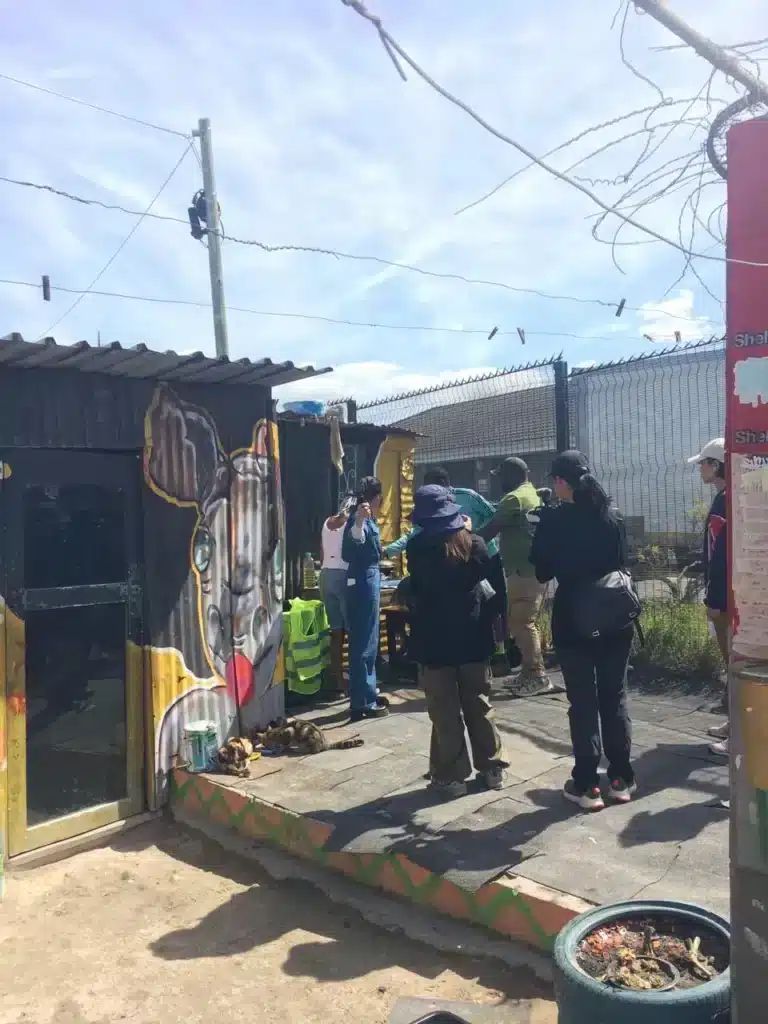
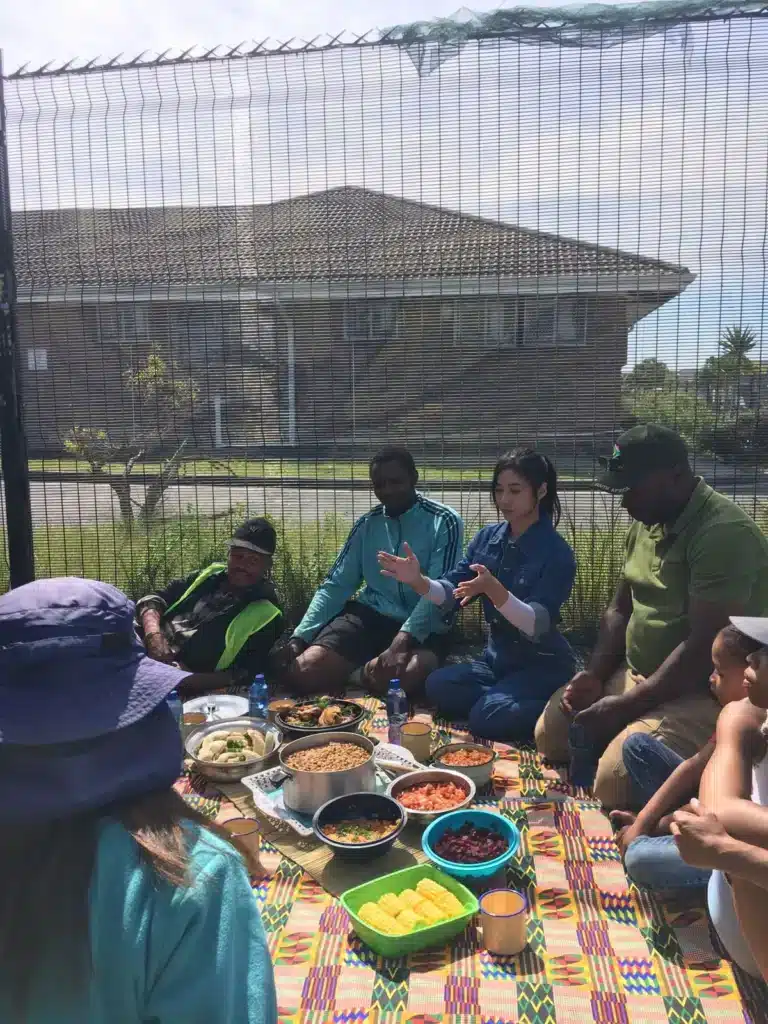
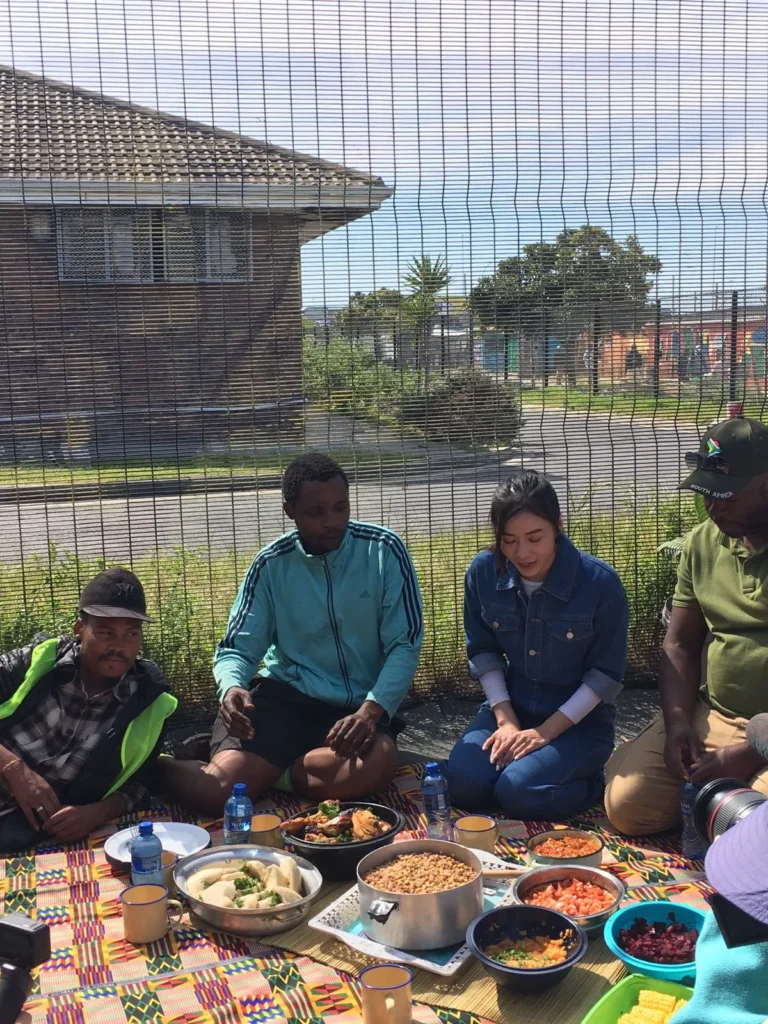
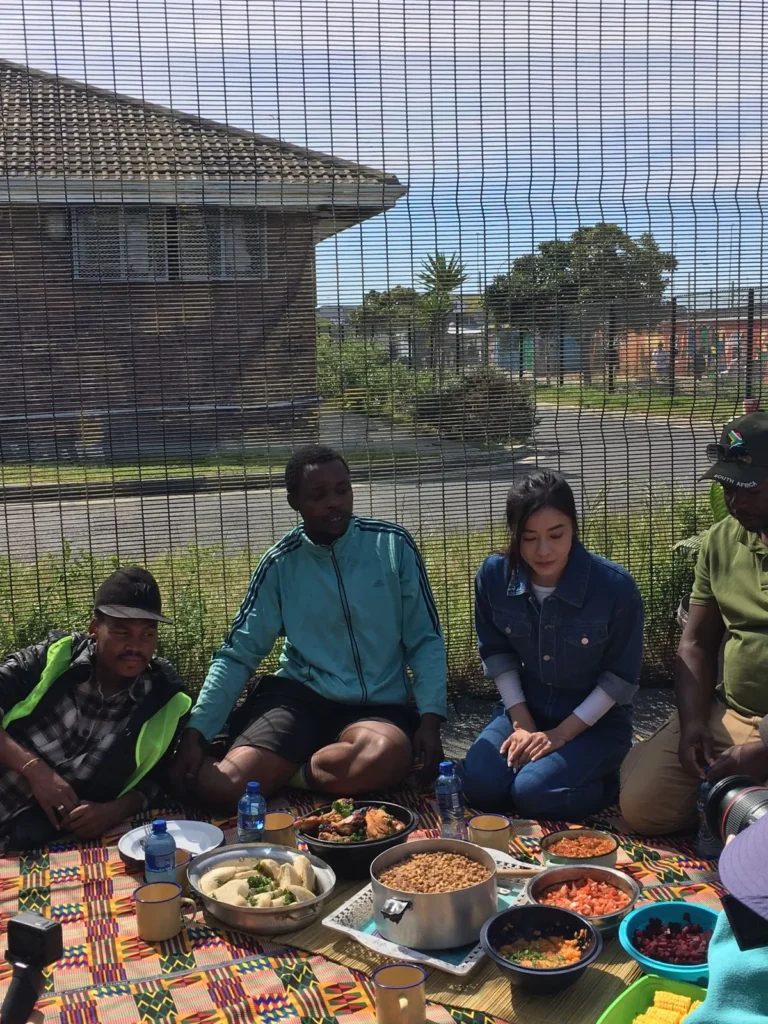
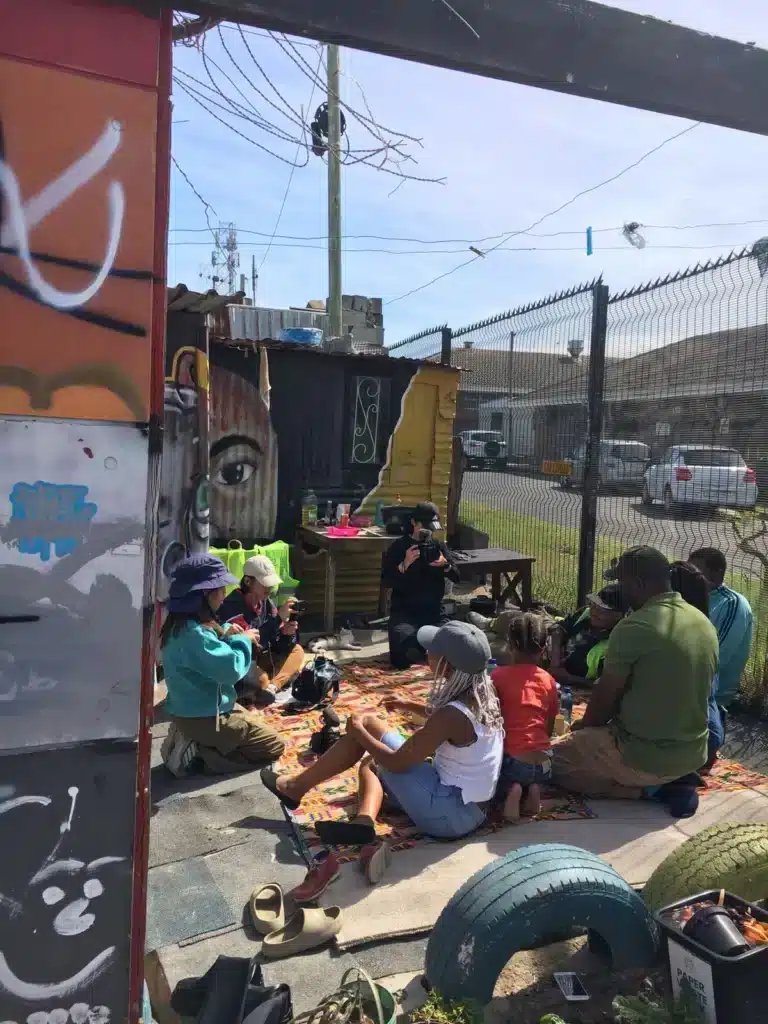
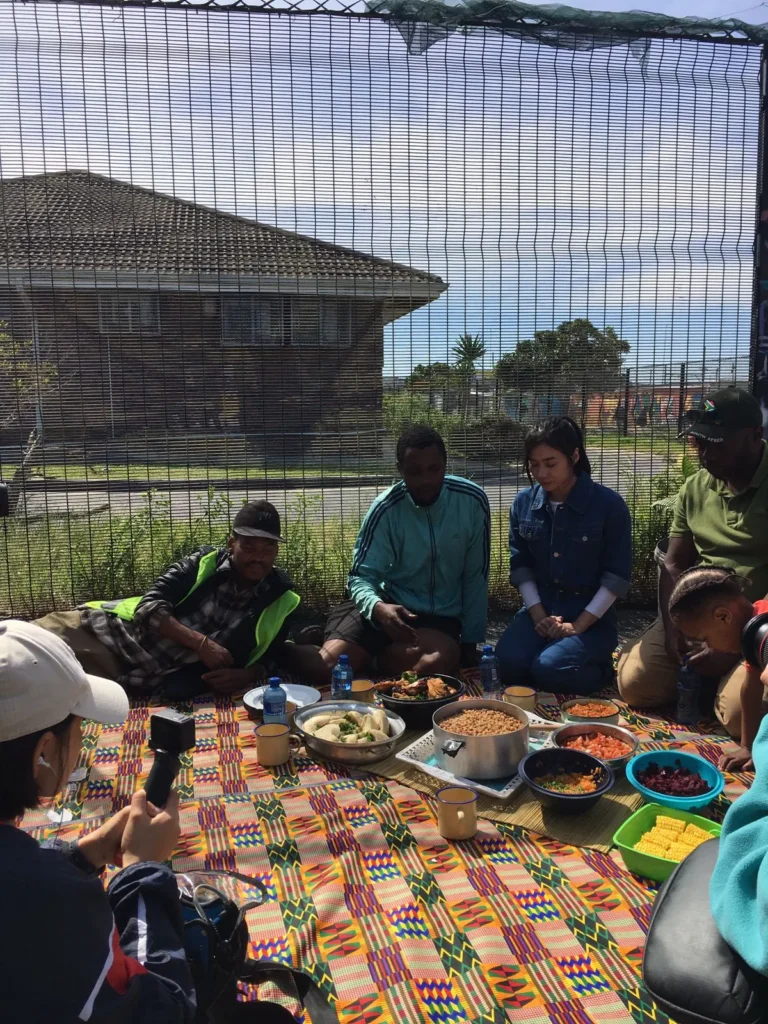
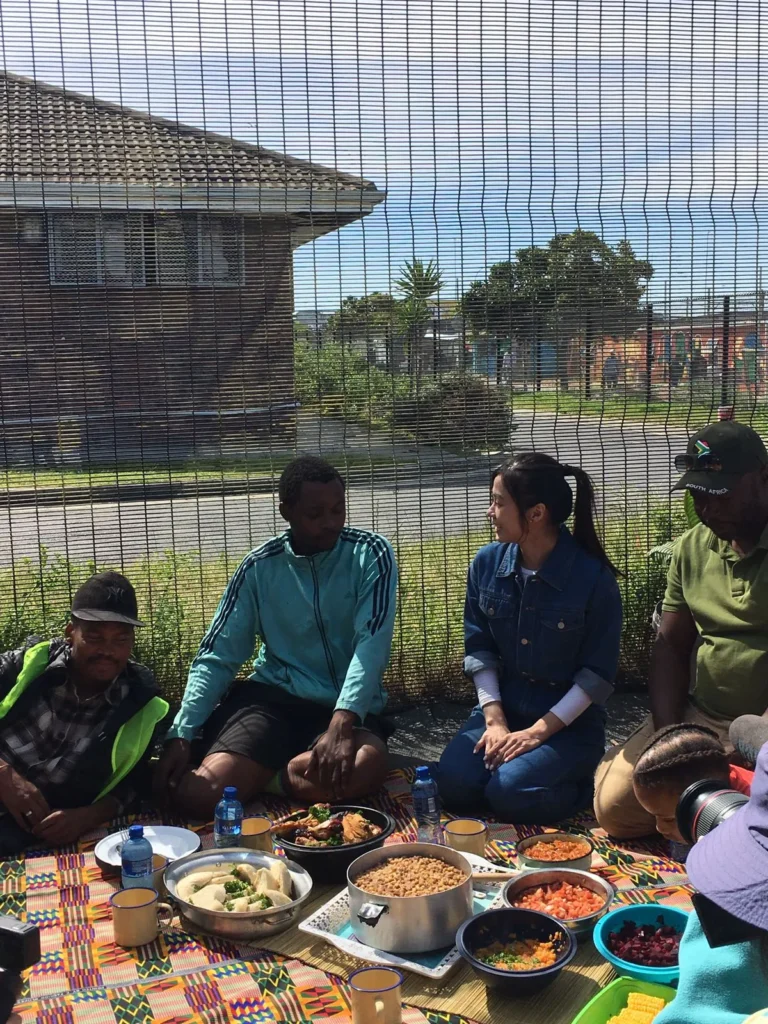
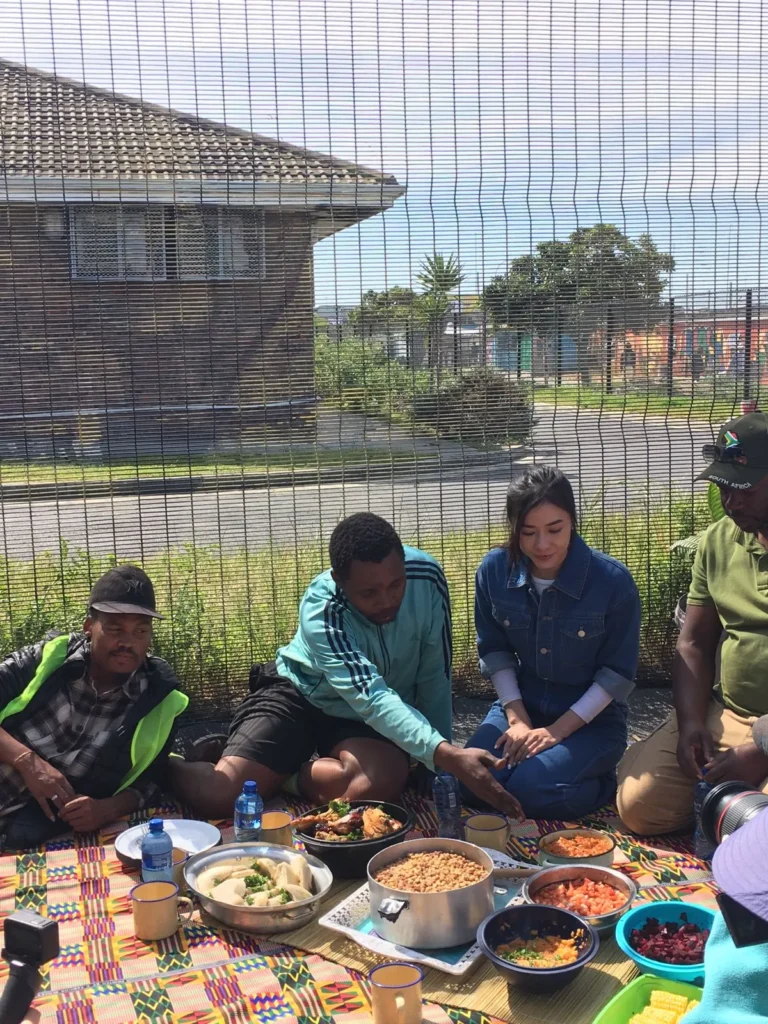
Previous Work
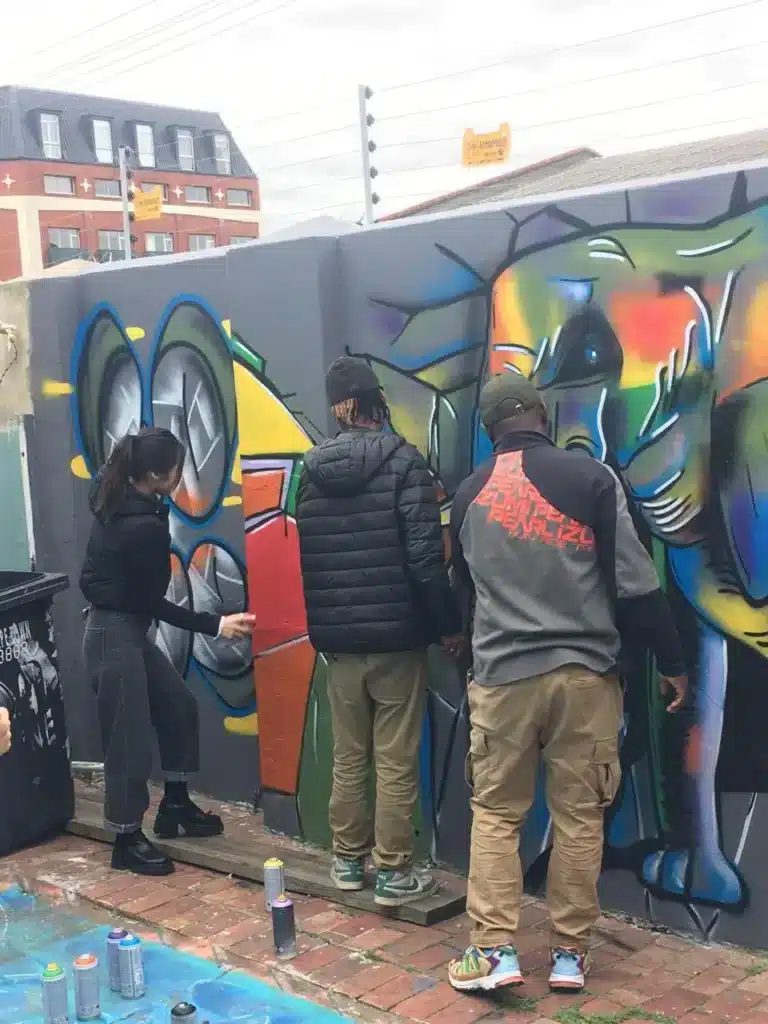
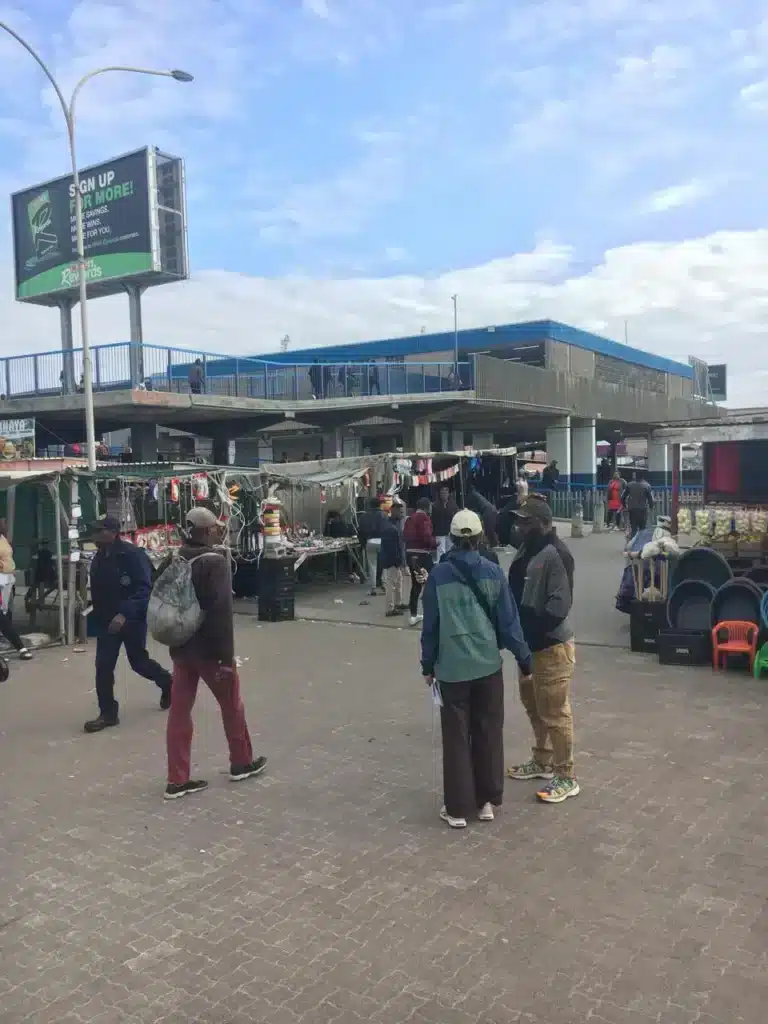
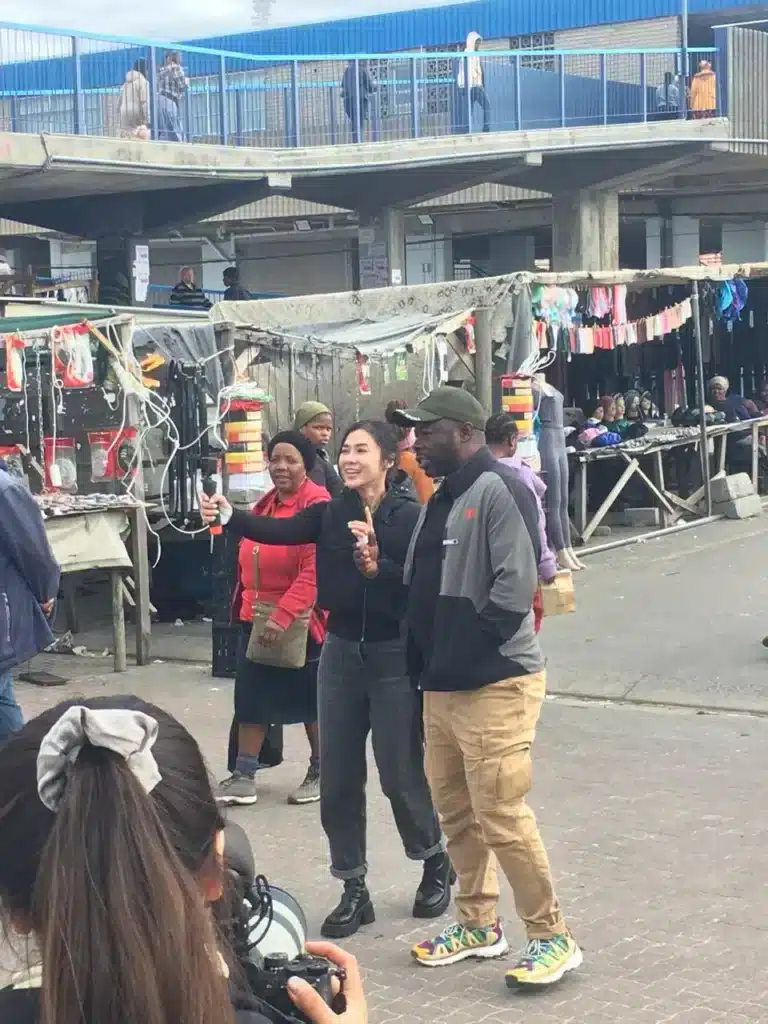
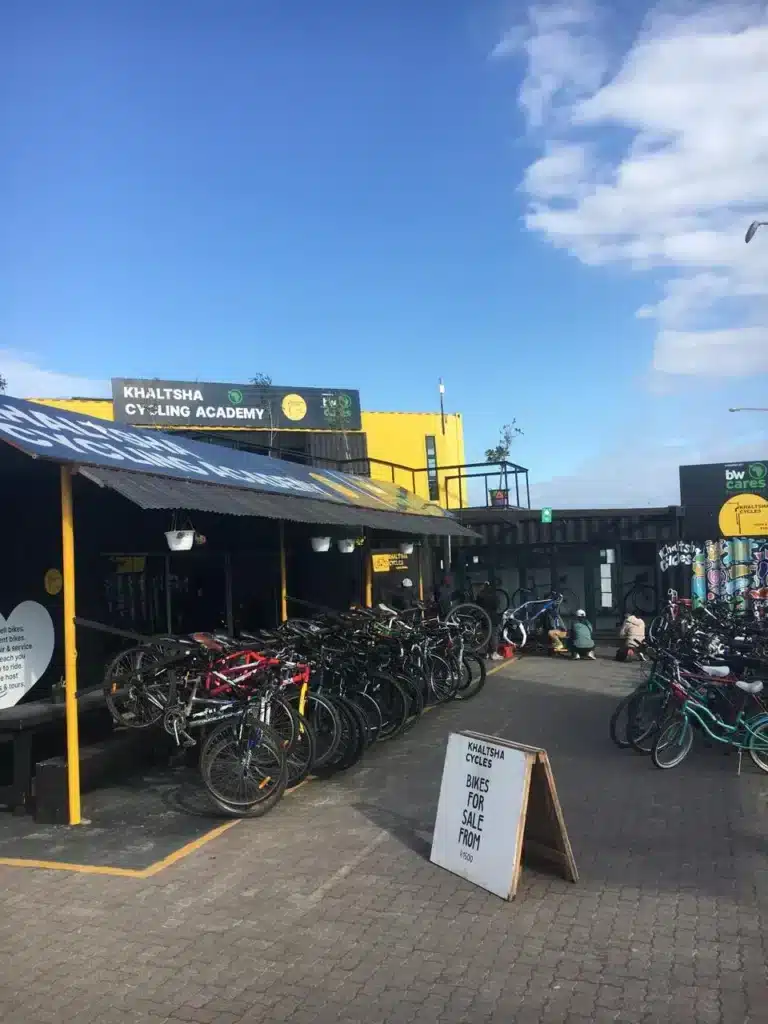
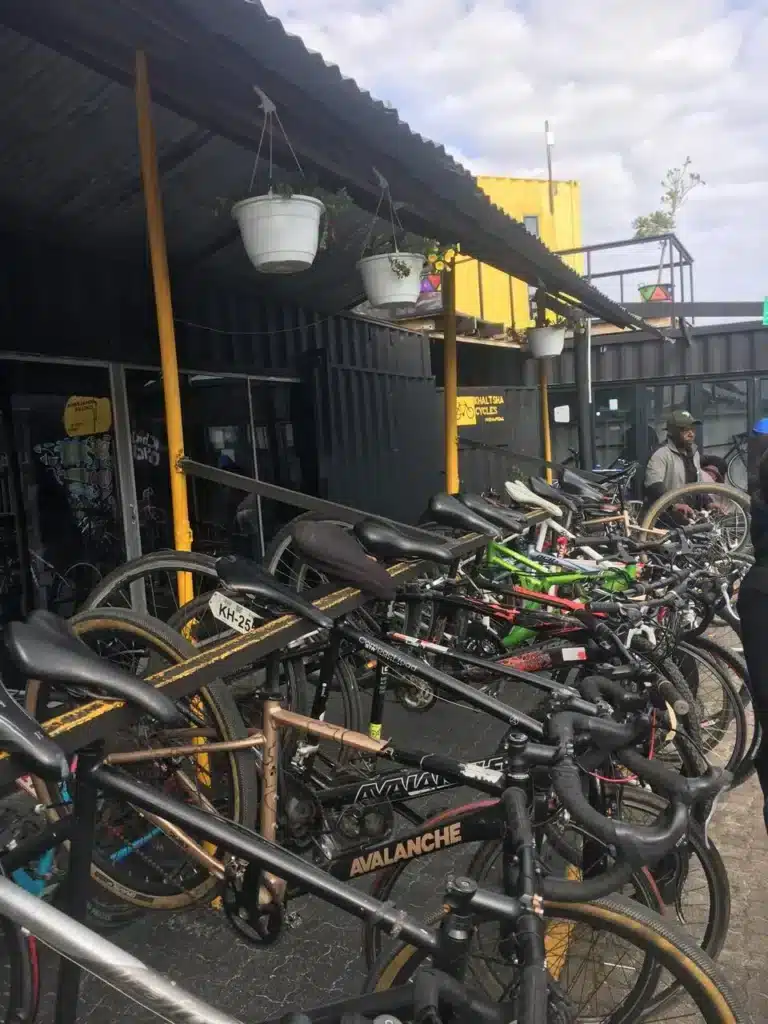
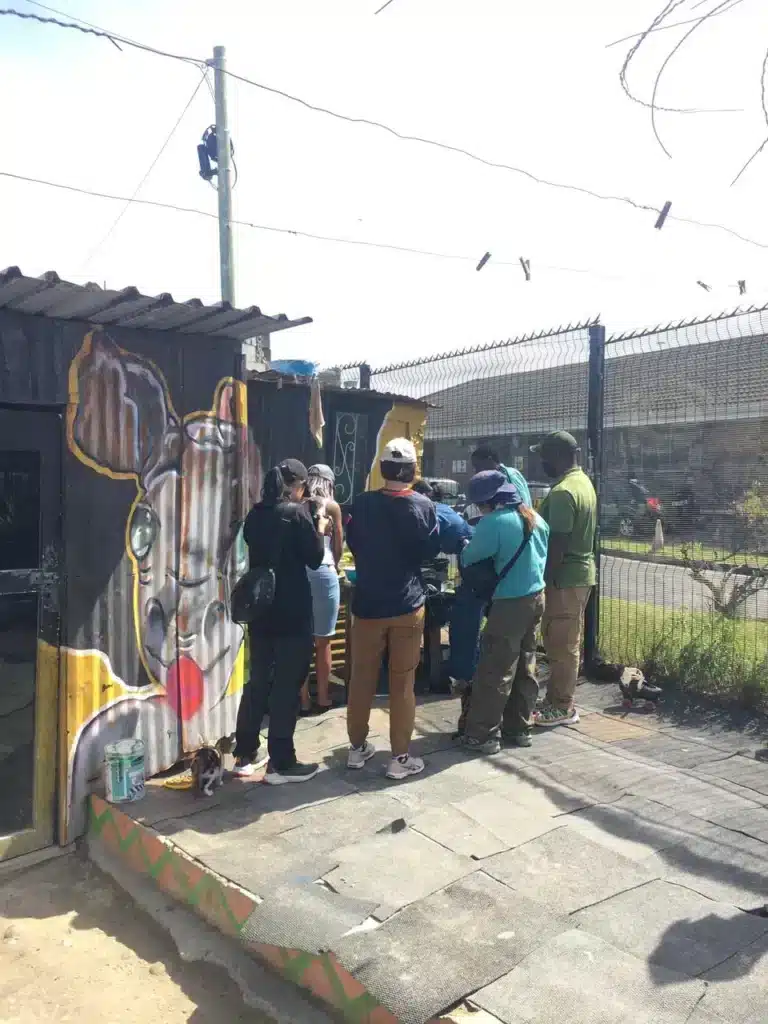
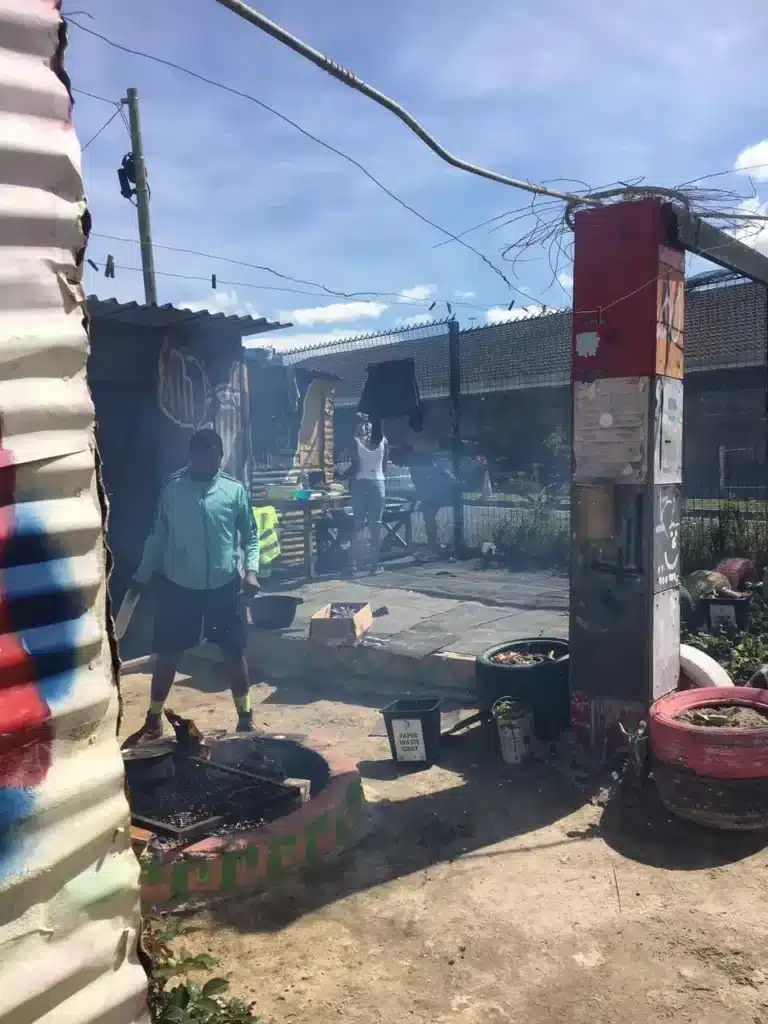
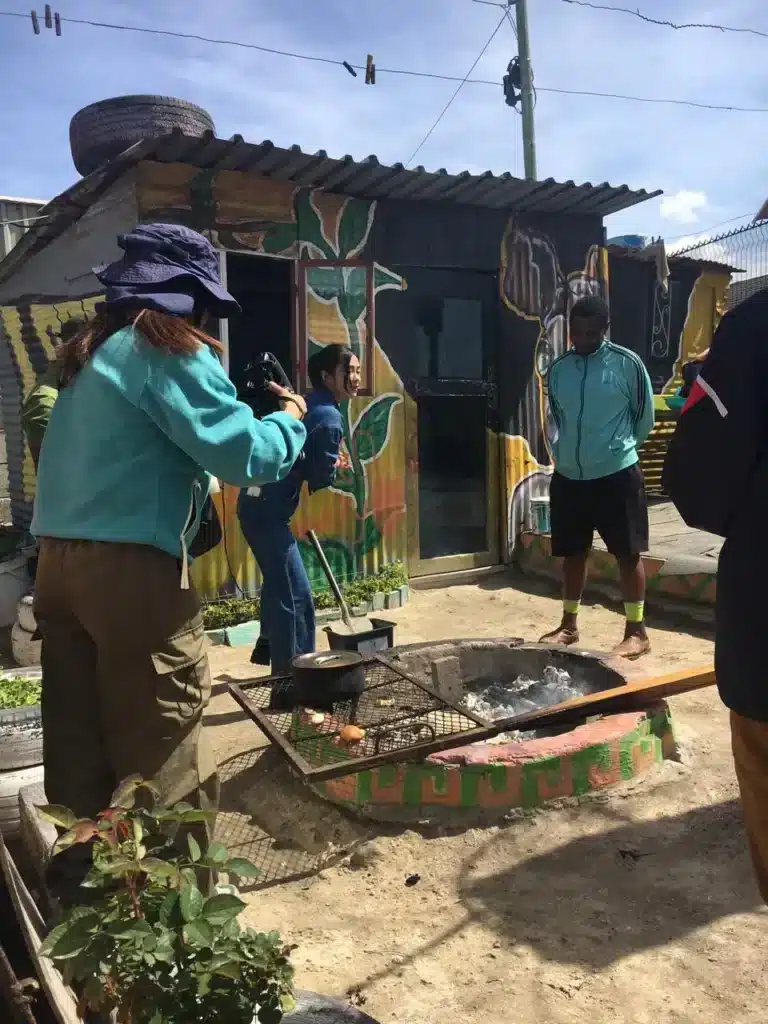
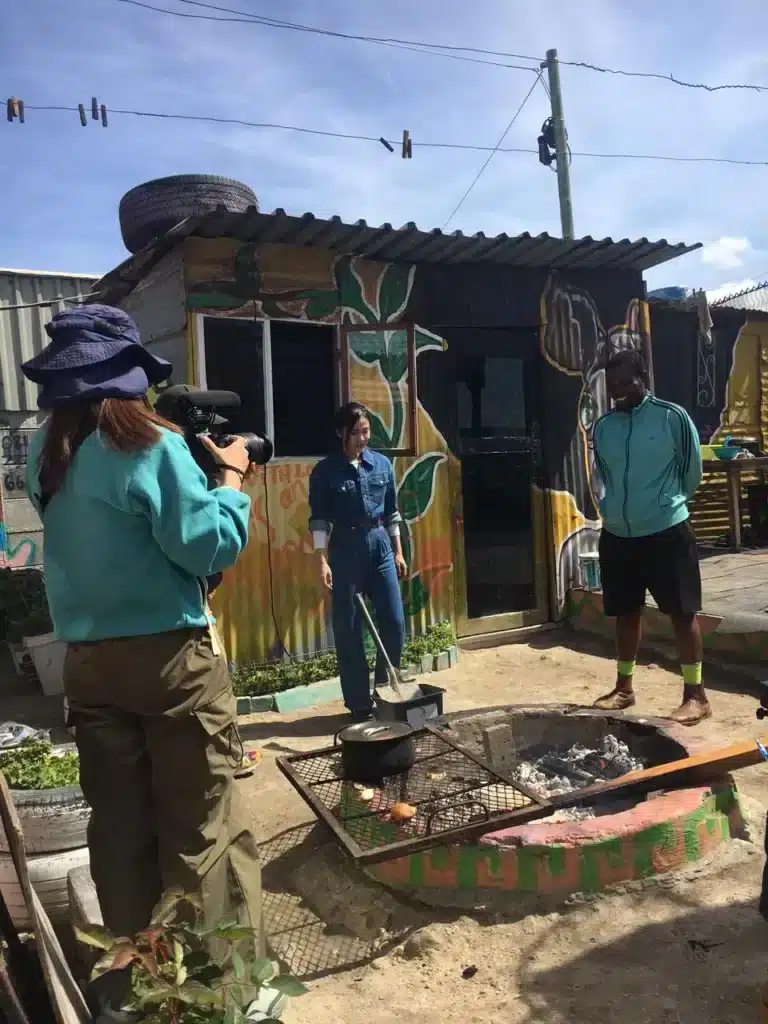
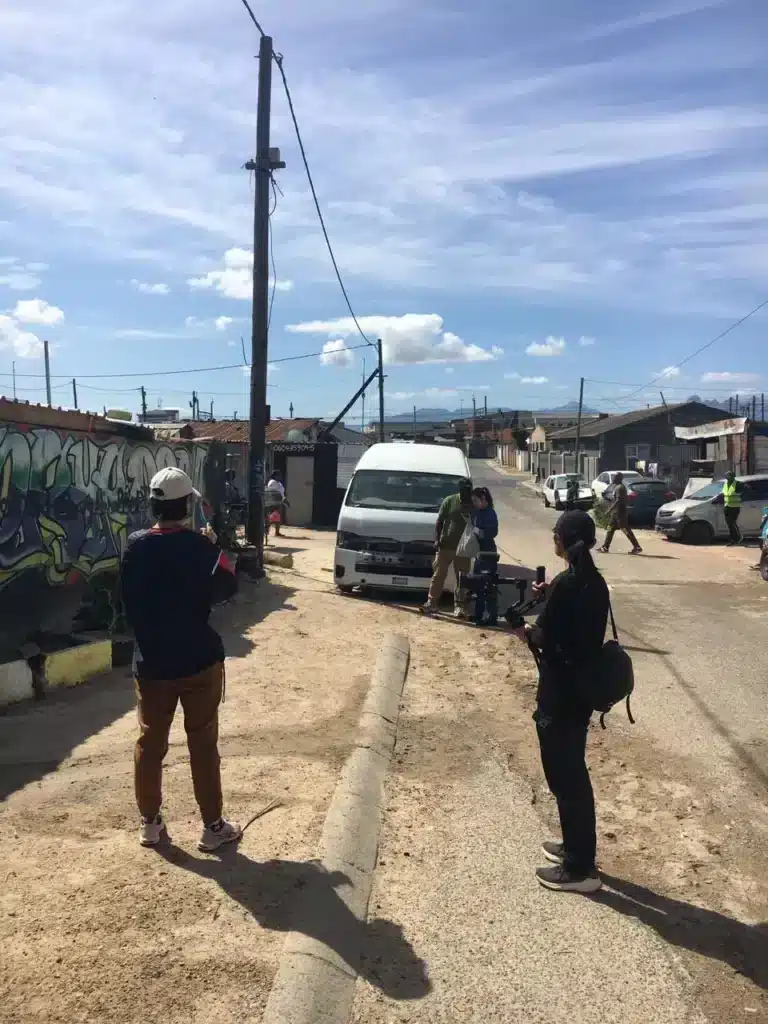
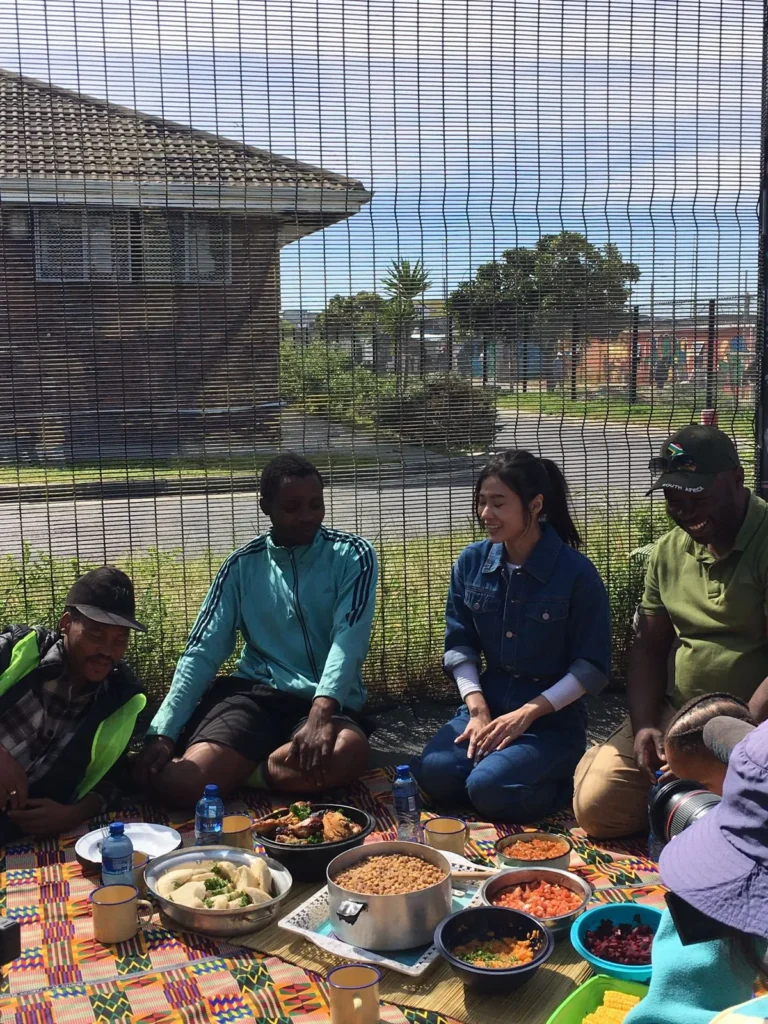
This article was written by Zandri Troskie-Naudé using verified information from national film authorities, civil aviation regulators, customs agencies, and regional production professionals across multiple African territories. Africa’s filming landscape reflects sovereign regulatory systems, environmental oversight, aviation compliance frameworks, and established commercial and wildlife production capability.
Through experienced coordination and continent-wide operational insight, productions work within clearly defined legal and logistical parameters.
Links & Resources
- African Union
https://au.int - International Air Transport Association (IATA) – Carnet & Customs Guidance
https://www.iata.org - Kenya Film Commission
https://filminginkenya.go.ke - Moroccan Cinematographic Centre (CCM)
https://www.ccm.ma - South African Department of Home Affairs
https://www.dha.gov.za