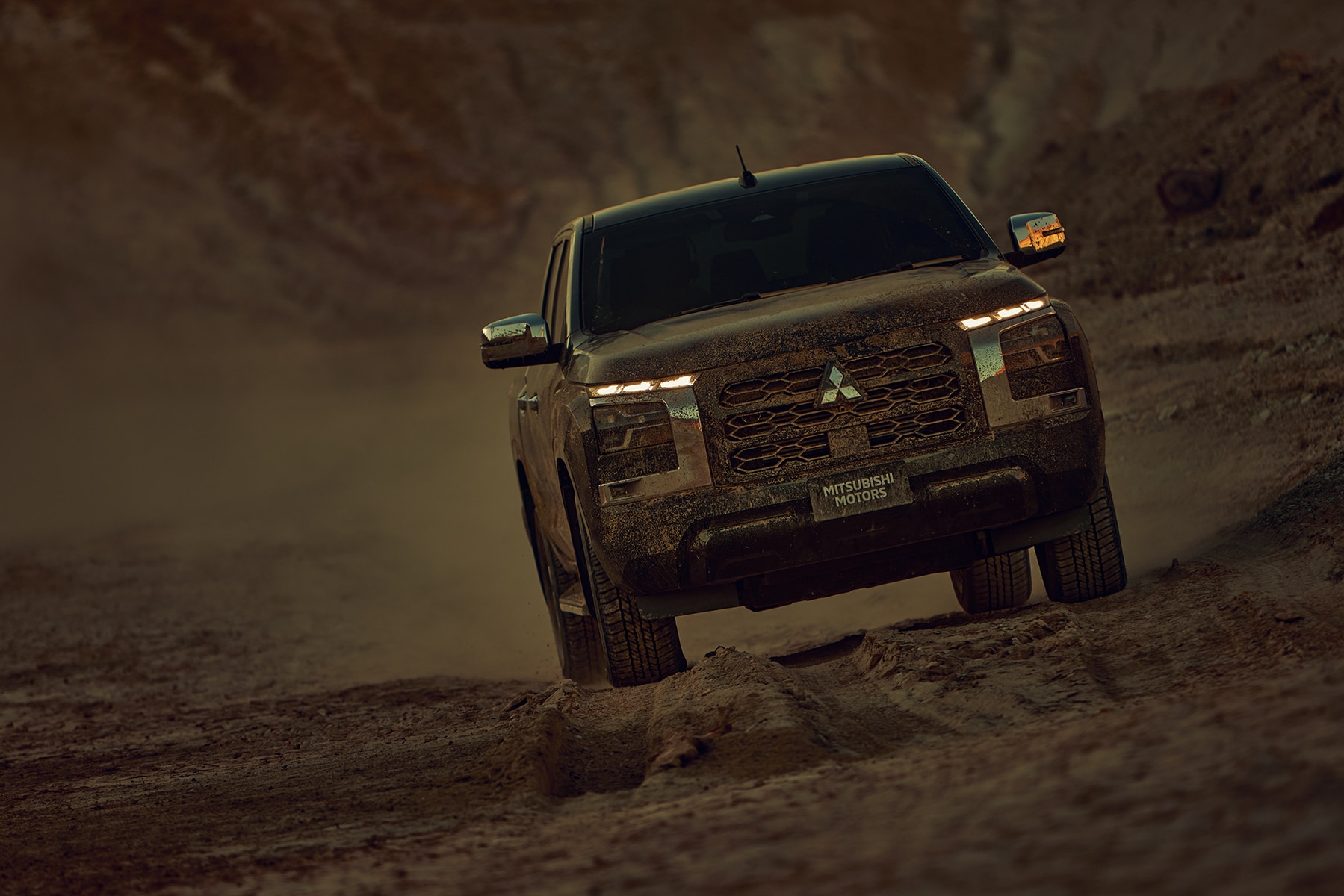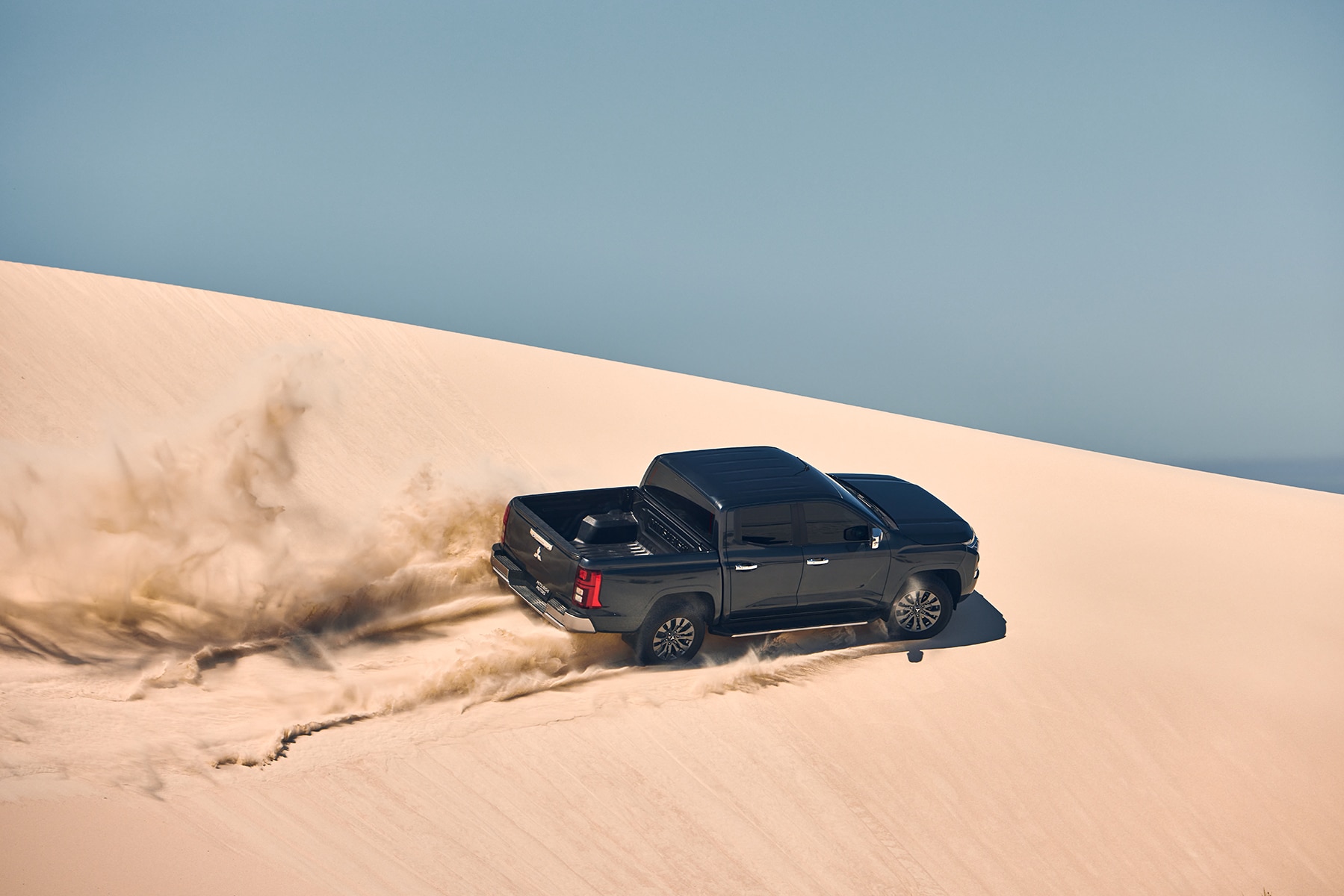
Filming in Ethiopia opens up dramatic highland landscapes, ancient heritage and remarkably diverse cultures that few other countries can match. Ethiopia is one of the most visually distinctive countries on the continent — rock-hewn churches, castles, active volcanoes, highland escarpments and living cultures that exist nowhere else. It is also a destination that rewards careful planning. This 2026 guide covers what international producers actually need to know: locations, permits, crew, equipment, logistics and an honest read on the current security picture.
Quick answer: what to know about filming in Ethiopia
Filming in Ethiopia is about access to dramatic highland landscapes, ancient heritage sites and remarkably diverse cultures at low production costs. Ethiopia does not yet run a formal national cash rebate, so the case for filming in Ethiopia rests on unique locations, affordability and strong local fixer support rather than incentives.

Key Takeaways
- Ethiopia offers extraordinary, hard-to-replicate locations — Lalibela, the Simien Mountains, the Danakil Depression and the Omo Valley.
- National filming permits are required, with additional approvals for heritage sites, drones and protected areas.
- There is no national cash rebate; the value is unique locations, competitive costs and strong cultural access.
- Crew and equipment exist locally but the market is smaller than Egypt, South Africa or Kenya — specialist kit is often imported from Nairobi or Dubai.
- Security is the decisive planning factor. Several regions carry “do not travel” advisories in 2026 — route selection must be led by current guidance.
What are the best filming locations in Ethiopia?
Ethiopia’s location range is genuinely rare. The important caveat is that access depends on the current security picture (see the safety section below) — some northern heritage sites sit within regions that carry travel advisories, so the shootable circuit at any given time must be confirmed at planning stage.
| Location | Best for |
|---|---|
| Addis Ababa | City scenes, markets, culture, interviews and production base |
| Lalibela | Rock-hewn churches, heritage and pilgrimage (subject to access) |
| Simien Mountains | Dramatic escarpment, endemic wildlife and adventure (subject to access) |
| Danakil Depression | Volcanoes, salt flats and other-worldly landscapes |
| Omo Valley | Indigenous cultures and documentary content, via Arba Minch |
| Bale Mountains | Highlands, Afroalpine moorland and endemic wildlife |
| Lake Tana and Blue Nile Falls | Waterfalls, monasteries and river scenery |
| Gondar | Royal castles and Ethiopian architecture (subject to access) |
Do I need a film permit in Ethiopia?
Yes. Foreign productions require official filming permission, and heritage sites, national parks, drones and interviews carry additional approvals on top of the general permit. Heritage locations such as Lalibela and Gondar are administered with their own access rules and fees.
Lead times vary with complexity. Straightforward requests move faster; wildlife, drones, protected areas or politically sensitive content take longer and are best treated as a multi-week workstream. Prepare a full production file — synopsis, schedule, crew list, equipment list and location list — early, and let the local team confirm the exact permission route.
Drone filming regulations in Ethiopia
Drone filming is controlled and permissions are essential. Do not travel with a drone assuming it can be cleared on arrival — unapproved drones can be seized, and heritage, government and security-sensitive areas are strictly off-limits without specific written approval. Where aerial coverage is needed, arrange approval in advance through the local team and an approved operator, and build it into prep rather than the shoot week. See our guide to drone filming in Africa.
Customs and ATA Carnet for equipment
Equipment entering Ethiopia needs a detailed list with makes, models, serial numbers and values. Temporary import arrangements are the standard route for professional kit that leaves again after wrap; confirm current ATA Carnet acceptance and documentation with the local team before shipping, as procedures can be more involved than in the larger regional hubs.
Because local rental inventory is limited compared with Nairobi, most substantial productions import their main package. Plan customs as a genuine lead item — send the equipment list early so the local team can advise on clearance, bonds and the fastest realistic route in and out.
What crew is available in Ethiopia?
Ethiopia has a capable local production community — experienced fixers, producers, camera operators, sound recordists, drivers and multilingual crew, particularly in Addis Ababa. Local knowledge is invaluable here for language, culture, permits and access to communities such as those in the Omo Valley.
Realistically, the crew pool is smaller and less specialised than in Egypt, South Africa or Kenya. For larger commercials and features, key roles and heads of department are frequently brought in or supplemented from Nairobi, with a strong local team handling fixing, logistics and coordination. We build the crew plan around what the project genuinely needs on the ground.
What equipment can I hire in Ethiopia?
Basic to mid-level camera, lighting and grip packages can be sourced in Addis Ababa, which suits documentary, factual and smaller branded work. For high-end cinema cameras, specialist lenses, large lighting and grip, the practical approach is to import the package — most commonly from Nairobi or Dubai — under temporary import.
This is simply the reality of an emerging equipment market, and it is manageable with lead time. The upside is that Ethiopia’s value is in what you point the camera at, not in on-the-shelf kit — and importing is routine when planned properly.
Studios, post-production and facilities
Ethiopia is a location destination rather than a studio destination. There is no large purpose-built stage complex comparable to Cape Town or Cairo, and productions needing built sets typically construct in temporary spaces. Basic post, dailies handling and data management can be arranged locally; heavier grading, VFX and finishing are usually completed in a regional hub or the home market.
Accommodation, transport and logistics
Addis Ababa has good international-standard hotel stock and functions as the natural production base, with Ethiopian Airlines providing strong domestic connections to Lalibela, Gondar, Arba Minch, Bale and other centres — often the most practical way to move between locations given road distances.
Outside the capital, infrastructure thins and journeys lengthen; remote locations such as the Danakil and Omo require 4x4s, fuel and water planning, comms and support vehicles. One current, practical caveat: fuel supply has been intermittent in 2026, so fuel logistics need to be confirmed and contingency built in. Production vehicles, minibuses and 4x4s are available locally through the fixing team.
Safety and security: the honest picture for 2026
This is the most important section in the guide, and it needs a straight answer rather than a sales pitch.
As of 2026, multiple government travel advisories designate several Ethiopian regions as “do not travel” — including Tigray, Amhara and Afar — due to armed conflict and instability, with clashes continuing into early 2026. Because some of Ethiopia’s most iconic sites (Lalibela, Gondar and the Simien Mountains) lie within or close to the Amhara region, their accessibility is not guaranteed and changes with conditions.
At the same time, Addis Ababa, the Omo Valley (via Arba Minch) and the Bale Mountains have generally remained accessible for productions and travellers, and the Danakil is worked with specialist local operators and appropriate escort. The practical position is straightforward: Ethiopia is achievable, but route selection must be led by current advisories and by local operators who monitor the situation continuously.
Our approach is to build the schedule around what is genuinely accessible and safe at the time of the shoot, confirm each location individually, and never lock travel or heritage-site plans until the security picture is verified. Always check current government travel advice for Ethiopia before committing to dates.
Does Ethiopia offer a film rebate or incentive?
No. Ethiopia currently has no national cash rebate programme. Its competitiveness comes from genuinely unique locations, competitive local costs and strong cultural access rather than from a financial incentive. Producers whose model depends on a rebate should consider destinations with active schemes — see our guides to the Mauritius rebate (30-40%), Morocco (30% uncapped) and Egypt. For East African wildlife and landscape, see also Kenya and Tanzania and Zanzibar.
Why work with African Fixer in Ethiopia
Ethiopia is a destination where the fixer matters more than almost anywhere — for permits, language, cultural access and, above all, for reading the security picture correctly. African Fixer has supported international productions across Africa for more than 25 years, and in Ethiopia we provide fixers and line producers, permit preparation, location scouting, crew, imported equipment coordination, transport, accommodation, customs support, security planning and full production management.
For a broader overview of the country, see our companion guide to film production in Ethiopia.
Frequently Asked Questions
Is it safe to film in Ethiopia in 2026?
It depends entirely on the region. Tigray, Amhara and Afar carry “do not travel” advisories, while Addis Ababa, the Omo Valley via Arba Minch and the Bale Mountains have generally remained accessible. Route selection must be led by current advisories and local monitoring.
Can I film in Lalibela and the Simien Mountains?
These sit within or near the Amhara region, so access is condition-dependent and must be confirmed at planning stage rather than assumed.
Do I need a permit to film in Ethiopia?
Yes. Foreign productions need official filming permission, with extra approvals for heritage sites, national parks, drones and interviews.
Does Ethiopia have a film rebate?
No. There is no national cash rebate. The advantages are unique locations, competitive costs and cultural access.
Can I hire crew and equipment locally?
A capable local crew and basic-to-mid equipment are available in Addis Ababa. For larger productions, key crew and high-end kit are commonly brought in from Nairobi or Dubai.
Can I bring my own equipment?
Yes, with a detailed equipment list and temporary import arrangements. Because local rental is limited, most substantial productions import their main package — plan customs early.
Can I fly a drone in Ethiopia?
Only with written approval arranged in advance through an approved operator. Never travel with a drone assuming clearance on arrival.
What is the best way to move between locations?
Ethiopian Airlines domestic flights connect Addis with Lalibela, Gondar, Arba Minch and Bale, which is often more practical than long road journeys. Confirm fuel logistics, which have been intermittent in 2026.
Does African Fixer manage the whole production?
Yes. From a single fixer to a full production service — permits, crew, imported equipment, transport, accommodation, security planning and production management.
Ready to plan your Ethiopia shoot?
Ethiopia offers images you cannot get anywhere else — but it is a destination to plan carefully and honestly, with security at the centre of the schedule.
Contact African Fixer with your treatment, dates, crew size, equipment list and preferred locations, and we will prepare a practical, current production plan built around what is genuinely achievable.