

Senegal
Why Film in Senegal?
Senegal is a vibrant, stable West African hub with a strong creative culture, offering Atlantic cities, historic heritage, deserts, mangrove deltas and lush southern forests, plus a proud music, art and fashion scene.
- Rich heritage – the UNESCO island of Gorée and colonial Saint-Louis
- Vibrant Dakar culture, music, art and fashion
- Striking natural sites – the Pink Lake and Lompoul dunes
- Mangrove deltas, savanna, beaches and southern palm forests
- One of West Africa’s most stable democracies
- Strong Teranga (hospitality) culture and welcoming crews
- Good Atlantic access as a regional gateway
- Growing local film and audiovisual industry
-
Capital City
Dakar
-
Main Cities
Dakar, Thiès, Saint-Louis, Touba and Ziguinchor
-
Main Languages
French (official); Wolof widely spoken; English growing in production
-
Currency
West African CFA Franc (XOF)
-
Weather
Senegal has a hot and humid climate throughout the year, with two main seasons. The rainy season (June to October) brings higher humidity and occasional storms, while the dry season (November to May) offers clear skies and more predictable filming conditions.
-
Climate
Sahelian to tropical – dry season November to May, rainy season June to October
-
Best Time To Shoot
November to May (dry season)
-
Main Production Hubs
Dakar and Saint-Louis
Production Services
Our Senegal production services include:
- Local Producers
- Film Fixers
- Production Management
- Film, Video & Stills Crew
- Camera Equipment
- Lighting & Grip
- Drone Operators
- Location Scouting
- Film Permits
- Casting
- Transport & Logistics
- Crew & Cast Accommodation
- Security
- Catering
Crew & Equipment
Senegal has a growing, capable crew base with a strong creative culture, experienced in documentary, commercial, music-video, fashion and stills work, centred on Dakar.
Available crew includes local producers, fixers, production managers, camera and drone operators, sound, art department, stylists and production assistants, with senior technical crew and specialist gear supplemented from the region or Europe when needed.
Camera, lighting and grip equipment is available in Dakar for many productions; larger or specialist packages may be imported, often via Europe.
Top Filming Locations
-
Dakar Corniche & Ngor
Cliffs, surf beaches and the westernmost point of Africa.
-
Île de Gorée
UNESCO island and House of Slaves, deeply historic.
-
Lac Rose (Lake Retba)
The famous Pink Lake and its salt harvesters.
-
Sine-Saloum Delta
Mangroves, channels and birdlife.
-
Saint-Louis
UNESCO colonial town of faded grandeur and bridges.
-
Baobab Forests
Senegal’s iconic baobab trees create dramatic landscapes, adding a mythical quality to fantasy and adventure films.
-
African Renaissance Monument, Dakar
Towering statue over the Atlantic.
-
Medina & Sandaga market, Dakar
Dense, colourful city life.
-
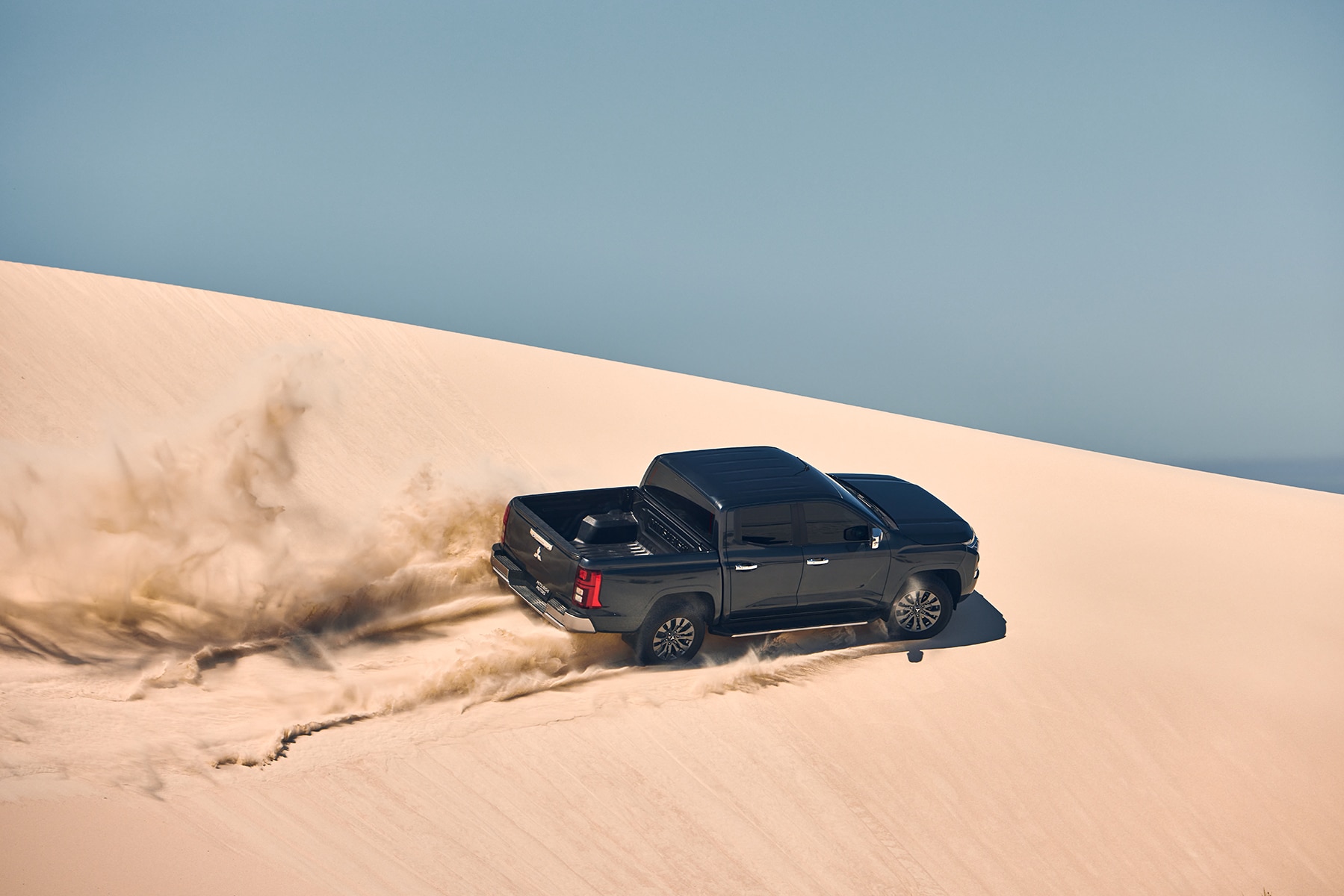
Lompoul Desert
Orange dunes and desert camps between city and coast.
-
Casamance
Lush palm forests, rivers and villages in the south.
-
Djoudj National Bird Sanctuary
Vast wetland and pelican colonies.
-
Touba Grand Mosque
Monumental centre of the Mouride brotherhood.
-
Bandia Wildlife Reserve
Baobabs, giraffes and safari close to Dakar.
-
Joal-Fadiouth
Island built of shells, linked by wooden bridges.
-
Almadies
Rocky westernmost tip of the African mainland.
-
Kayar & Soumbédioune
Bustling fishing harbours and pirogues.
-
Île de la Madeleine National Park
Wild islets off Dakar.
-
Dakar art & music scene
Studios, murals and Senegalese sound.
-
Pointe des Almadies surf & coast
Atlantic breaks and sunsets.
-
Senegalese wrestling (laamb) & street culture
Powerful, colourful spectacle.
Luxury Hotel & Resort
Senegal’s better hotels, coastal resorts and desert camps suit hospitality, lifestyle and cultural productions. Access for filming is subject to approval and availability.
- Radisson Blu Hotel, Dakar Sea Plaza – Modern seafront hotel on the Corniche.
- Terrou-Bi, Dakar – Beach resort and casino in the city.
- King Fahd Palace, Dakar – Large landmark hotel and grounds.
- Pullman Dakar Teranga – Central high-rise business hotel.
- Lompoul desert camps – Tented camps among the orange dunes.
- Hôtel de la Poste, Saint-Louis – Historic colonial-era hotel.
Crew & Cast Accommodation
Cast and crew accommodation is strongest in Dakar, with colonial hotels in Saint-Louis and desert camps at Lompoul. We arrange group bookings, transfers and regional logistics.
- Luxury (talent, directors, key clients)
Radisson Blu / Terrou-Bi, Dakar – Premium bases for talent and clients. - Mid-range (main crew, production team)
Dakar: Pullman Teranga, King Fahd Palace and Novotel – Reliable city hotels.
Saint-Louis: colonial-era hotels – Characterful bases for northern shoots.
Saly (Petite Côte): beach resorts – Convenient coastal crew accommodation. - Budget & serviced options (extended crew, longer shoots)
Dakar guesthouses and serviced apartments – Value options for larger crews.
Lompoul desert camps and regional auberges – Practical bases near locations.
Accommodation availability and rates vary by season and should be booked well in advance. African Fixer manages crew and cast bookings, transfers and per-location logistics as part of production support.
Best Time to Shoot
- November to May – Dry season with the most reliable shooting conditions.
- December to February – Cooler, comfortable conditions, ideal for city and coastal work.
- June to October – Rainy season brings greener landscapes but heavier showers, especially in the south.
- The Casamance is lushest after the rains but easiest to access in the dry season.
Visa Requirements
International cast and crew should confirm visa and work permission requirements before travelling. Typical documents may include a valid passport, flight details, accommodation details, invitation letter, crew list and equipment list.
-
Required Documentation
A visa application submitted to the Senegalese ambassador. A letter of invitation from a local agency. Payment of visa fees to the embassy.
-
Timings & Cost
Processing takes 48 hours. The cost is $95.
International Crew Accreditation
International productions may require local coordination, film permissions and supporting letters depending on the production type, locations and crew nationality, and should work with an in-country fixer or service company.
-
Required Documentation
A Carnet ATA and shooting authorization. Filming permits, detailing locations and duration. Local producer agency information. A list of shooting locations. Production duration details.
-
Timings & Cost
Processing takes 3 to 5 working days. Costs range from $478 to $1,000, depending on the project’s scope.
General Film Permit
Filming permits are arranged through the Ministry of Culture and relevant authorities, best handled by a local fixer. Heritage sites such as Gorée and Saint-Louis, and protected natural areas, require specific permissions. Allow lead time and coordinate accreditation for international crew.
Drone Permit
Commercial drone filming requires authorisation from the civil aviation authority (ANACIM) and should be arranged in advance, particularly near airports, cities and sensitive sites.
-
Importation Regulations
A detailed list of drone equipment must be sent to airport customs for import approval.
-
Permit Issuance
Permits are issued by airport customs.
-
Timings & Cost
Processing takes 2 to 5 days. The cost is $650.
Equipment Customs Clearance
Professional equipment can usually be temporarily imported with the correct customs documentation. An ATA Carnet may be used where applicable, and equipment lists should be prepared in advance.
Safety and Security
Senegal is one of West Africa’s safest and most stable countries, with good infrastructure in Dakar and a strong hospitality culture. Standard urban precautions apply, some southern and border areas warrant local advice, and malaria precautions are recommended. Private medical facilities are best in Dakar.
Rebates & Incentives
Senegal does not currently offer a cash rebate for foreign productions. A national support fund, FOPICA (Fonds de Promotion de l’Industrie Cinématographique et Audiovisuelle), primarily supports Senegalese and co-production projects rather than incoming service work.
African Fixer will confirm the latest position on any incentives, co-production routes, permit fees and reliefs during planning, and manage permits and logistics on your behalf.
Frequently Asked Questions
Yes. Permits are arranged through the Ministry of Culture and relevant authorities, with specific permissions for Gorée, Saint-Louis and protected areas.
Yes. Senegal has a growing, capable crew base with a strong creative culture, and specialist crew or gear can be brought in when needed.
Île de Gorée, Dakar, the Pink Lake, colonial Saint-Louis and the Lompoul dunes, plus the mangrove deltas and lush Casamance.
Hotels and beach resorts in Dakar and Saly, colonial hotels in Saint-Louis and desert camps at Lompoul, with transfers arranged.
Yes, with the correct customs paperwork; an ATA Carnet may be used, alongside local camera and grip packages.
Yes. Drone filming requires ANACIM authorisation, arranged in advance.
No foreign cash rebate currently; the FOPICA fund mainly supports local and co-productions. We confirm the latest position before you budget.
Yes, especially for heritage, documentary, music, fashion and cultural work, and it is safe, stable and welcoming.
Yes. We provide full production support from planning through to wrap.
Did you know?
Lake Retba earns its “Pink Lake” name from salt-loving micro-algae that turn the water bubble-gum pink in the right light, while local harvesters wade in to gather salt by hand – a surreal, instantly striking location just outside Dakar.
PRO TIP:
Shoot in the November-to-May dry season, pair Dakar and Gorée with the Pink Lake, Saint-Louis and the Lompoul dunes for variety in one trip, and lean on Senegal’s strong music and fashion scene for authentic local talent and styling.

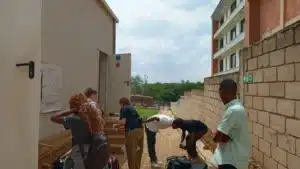
Makhtar - Senegal
Latest Posts
-
 Filming in Senegal – Complete Production Guide (2026)
 -
 Cross-Border Film Production in Africa: Managing Multi-Country Shoots
 -
Filming in Africa: What International Producers Need to Know
-
African Film Production Company Delivering World-Class Production Services in Africa
-
AFRICA ISN’T ONE STORY — IT’S THOUSANDS