

angola
Why Film in Angola?
Angola is a large, dramatic and rarely filmed country of giant waterfalls, desert coasts, escarpments and a fast-modernising capital, offering original material for documentary, travel and commercial productions with the right planning.
- One of Africa’s largest waterfalls at Kalandula
- The dramatic Tundavala Gap and Serra da Leba pass
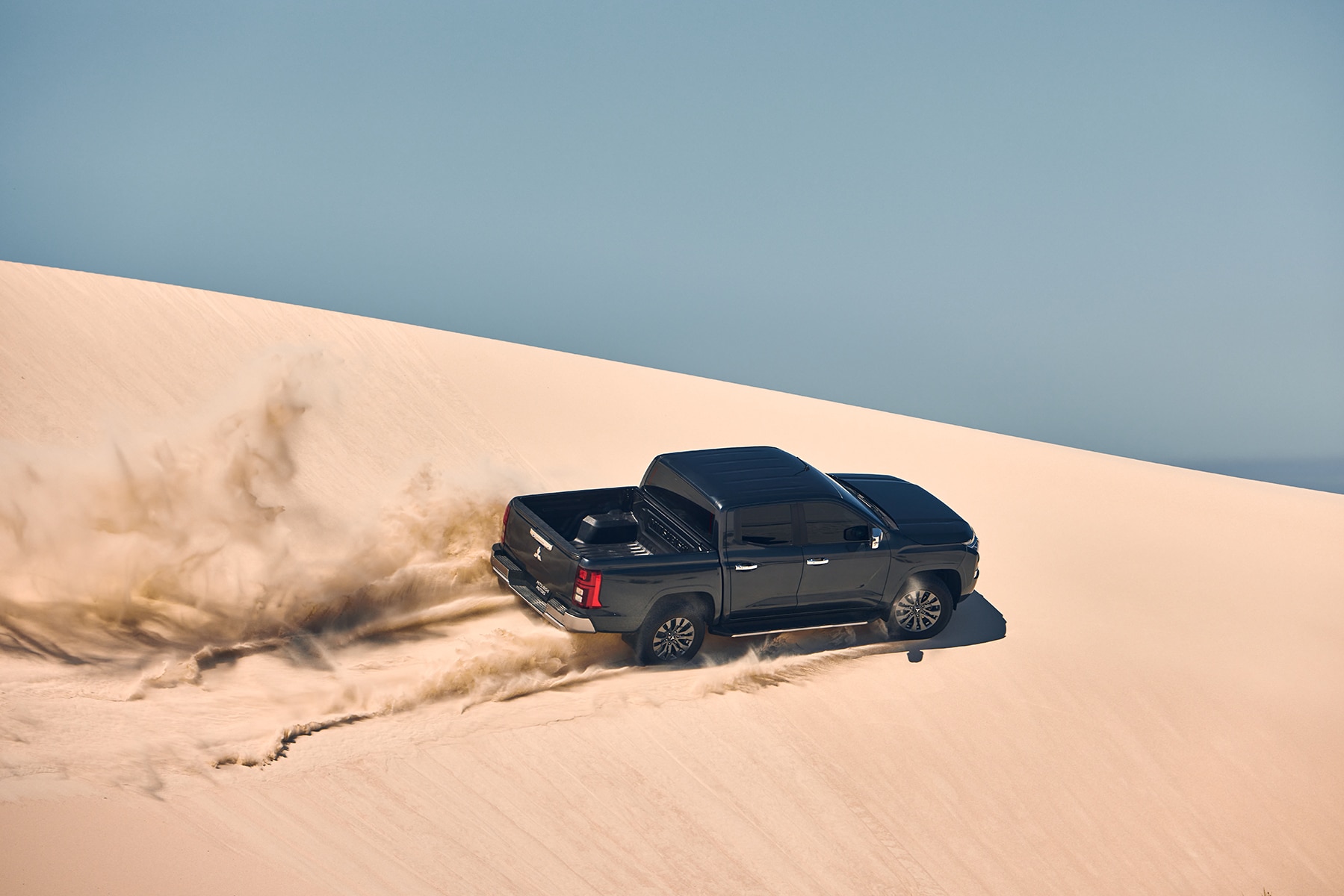
- Namib dunes meeting the Atlantic in Iona
- Portuguese-colonial and modern Luanda
- Wildlife in Kissama National Park
- Long, wild Atlantic coastline and beaches
- Rich music and Luanda city culture
- Genuinely under-filmed, original material
-
Capital City
Luanda
-
Main Languages
Portuguese (official), plus local languages such as Umbundu, Kimbundu, and Kikongo
-
Currency
Angolan Kwanza (AOA)
-
Weather
Angola has a tropical to subtropical climate. The rainy season lasts from October to mid-May, while the dry season runs from mid-May to September. Since weather conditions are more stable during the dry season, it is generally the best time for filming.
Our Angola production services include:
- Local Producers
- Film Fixers
- Production Management
- Film, Video & Stills Crew
- Camera Equipment
- Lighting & Grip
- Drone Operators
- Location Scouting
- Film Permits
- Casting
- Transport & Logistics
- Crew & Cast Accommodation
- Security
- Catering
Crew & Equipment
Angola suits documentary, travel and commercial productions, with local fixers coordinating permits and logistics in a developing production environment.
The local crew base is modest; local fixers, drivers and production assistants support on the ground, while senior technical crew and specialist equipment are generally brought in from the region or Portugal.
Productions plan to import camera, drone and specialist packages, and to budget for visas, 4×4 transport and remote logistics.
Top Filming Locations
Angola offers a diverse range of stunning landscapes, from dramatic coastlines to vast deserts and lush rainforests. Whether you’re looking for modern urban settings, breathtaking waterfalls, or untouched wilderness, Angola provides visually striking locations for filmmakers.
-
Luanda
Explore the capital’s mix of colonial architecture, modern cityscapes, and bustling markets. The scenic coastline and vibrant cultural scene make it a prime filming destination.
-
Namib Desert
A vast expanse of golden dunes stretching to the Atlantic Ocean, offering an otherworldly backdrop for dramatic sequences and adventure films.
-
Tundavala Gap (Lubango)
A stunning mountain escarpment with sweeping panoramic views, ideal for aerial shots and breathtaking landscapes.
-
Kalandula Falls (Malanje)
One of Africa’s largest waterfalls, surrounded by lush greenery, perfect for nature documentaries and cinematic set pieces.
-
Ilha do Mussulo
A paradise island near Luanda with white sandy beaches and crystal-clear waters, ideal for lifestyle and luxury shoots.
Hotel Options
Angola’s Luanda hotels serve as bases for city and regional productions. Access for filming is subject to approval and availability.
- EPIC SANA Luanda — Modern seafront luxury hotel
- InterContinental Luanda — Landmark international hotel
- Hotel Presidente Luanda — Established bayfront hotel
- Skyna Hotel Luanda — Central business hotel
- Talatona Convention Hotel — Business-district base
- Lubango & Benguela hotels — Regional location bases
Crew & Cast Accommodation
Cast and crew accommodation is concentrated in Luanda, with regional hotels near the main locations. We arrange group bookings, visas, 4x4s and logistics.
- Luxury — Talent, Directors & Key Clients
EPIC SANA / InterContinental, Luanda — Premium city bases for talent and clients. - Mid-Range — Main Crew & Production Team
Luanda: Skyna, Presidente and Talatona — Reliable city hotels.
Lubango & Benguela: regional hotels — Comfortable location bases. - Budget — Extended Crew & Longer Shoots
Luanda business hotels and guesthouses — Value options for larger crews.
Regional town hotels — Practical bases near remote locations.
Best Time to Shoot
- May to October — Dry season with the most reliable conditions
- June to September — Cooler, clearer months, best for the desert and interior
- November to April — Hotter and wetter, with rains in the north
- The desert coast (Iona, Namibe) is cool and often foggy in the mornings
Visa Requirements
International cast and crew should confirm visa and work permission requirements before travelling. Typical documents may include a valid passport, flight details, accommodation details, invitation letter, crew list and equipment list.
-
Angola e-Visa
Requires a valid passport with at least 6–9 months before expiration and 2–4 blank pages, a completed visa application form, a letter addressed to the Embassy of Angola, and proof of business registration.
-
Cost
$100 per applicant
-
Timings
Visa processing typically takes approximately 5 to 8 days.
-
Additional Requirements
Bank statement showing a minimum of $200 per day for the stay, yellow fever vaccination certificate, and a copy of the hotel reservation.
International Crew Accreditation
International productions may require local coordination, film permissions and supporting letters depending on the production type, locations and crew nationality, and should work with an in-country fixer or service company.
-
Required Documentation
Accreditation approval, completed visa application, project synopsis, equipment list with serial numbers, and passport details.
-
Timings
Since the accreditation process can take up to a month, applying well in advance is advisable.
-
Cost
$120–$240, depending on the specifics of the production.
General Film Permit
Filming permits are arranged through the Ministry of Culture and relevant authorities, and international crew require the correct visas, which need planning time. Protected areas and some sites require additional permissions. Work through an experienced local fixer and allow generous lead time.
Drone Permit
Drone filming requires authorisation from the civil aviation authorities, with restrictions near cities, airports and sensitive sites. Permissions should be arranged well in advance.
-
Importation Regulations
Importing drones is strictly forbidden.
-
Permit Issuance
The Angolan Civil Aviation Authority (CAA) is responsible for issuing drone permits.
-
Required Documentation
Full shoot schedule, detailed shot list (African Fixer can advise).
-
Timings
Permit issuance timelines are upon request and may vary depending on specific circumstances.
-
Cost
The cost of the permit is also upon request and may depend on various factors.
Equipment Customs Clearance
Professional equipment can usually be temporarily imported with the correct customs documentation. An ATA Carnet may be used where applicable, and equipment lists should be prepared in advance.
-
Clearance Process
To ensure a smooth process, all required documentation must be submitted to customs two weeks in advance. This step should be coordinated with the film permit application.
-
Required Documentation
Film permit, complete list of equipment including serial numbers.
-
Issuing Organization
Customs.
-
Timings
Approximately two weeks, coordinated with the film permit.
Safety and Security
Angola is increasingly stable but calls for careful planning: Luanda is expensive and warrants standard urban precautions, visas and logistics take time, and landmine awareness remains sensible in some rural areas (a legacy of the civil war, with cleared areas marked). Medical facilities are best in Luanda.
-
General Security
Recommended for filming outside major cities.
-
High-Risk Areas
Avoid non-essential travel to Cabinda and Lunda Norte.
-
Local Police Support
Advised for productions in remote locations to enhance security and ensure smooth filming.
Rebates & Incentives
Angola does not currently operate a formal national film cash rebate for international productions, so budgets should not rely on a rebate.
African Fixer will confirm the latest position on permit fees and any incentives during planning, and manage the visas, permissions and logistics that make Angola’s locations accessible.
Frequently Asked Questions
Yes. Permits are arranged through the Ministry of Culture and relevant authorities, and international crew need the correct visas, which require planning time.
Angola has local fixers and a modest crew base; senior technical crew and specialist equipment are brought in from the region or Portugal.
Kalandula Falls, the Tundavala Gap and Serra da Leba, the Namib dunes of Iona and Luanda.
Hotels in Luanda and regional bases near the main locations.
Yes, with the correct customs paperwork; an ATA Carnet may be used. Plan to import camera, drone and specialist packages.
Yes. Drone filming requires civil-aviation authorisation, with restrictions near cities and sensitive sites.
No. Angola does not currently offer a film rebate. We confirm permit fees and any incentives before you budget.
Yes, especially for documentary, travel and commercial work needing original waterfalls, deserts and coastline, with careful planning.
Yes. We provide full production support from planning through to wrap, including visas and logistics.
Did You Know?
Angola’s Kalandula Falls is one of the largest waterfalls in Africa by volume, plunging over a broad horseshoe of rock deep in the interior, a spectacular, rarely filmed sight in a country only now opening up to international production.
PRO TIP:
Plan visas and logistics well ahead, shoot the dry May-to-October window, and pair Luanda with the Kalandula Falls and the dramatic Lubango escarpment and Namib coast for maximum range.