
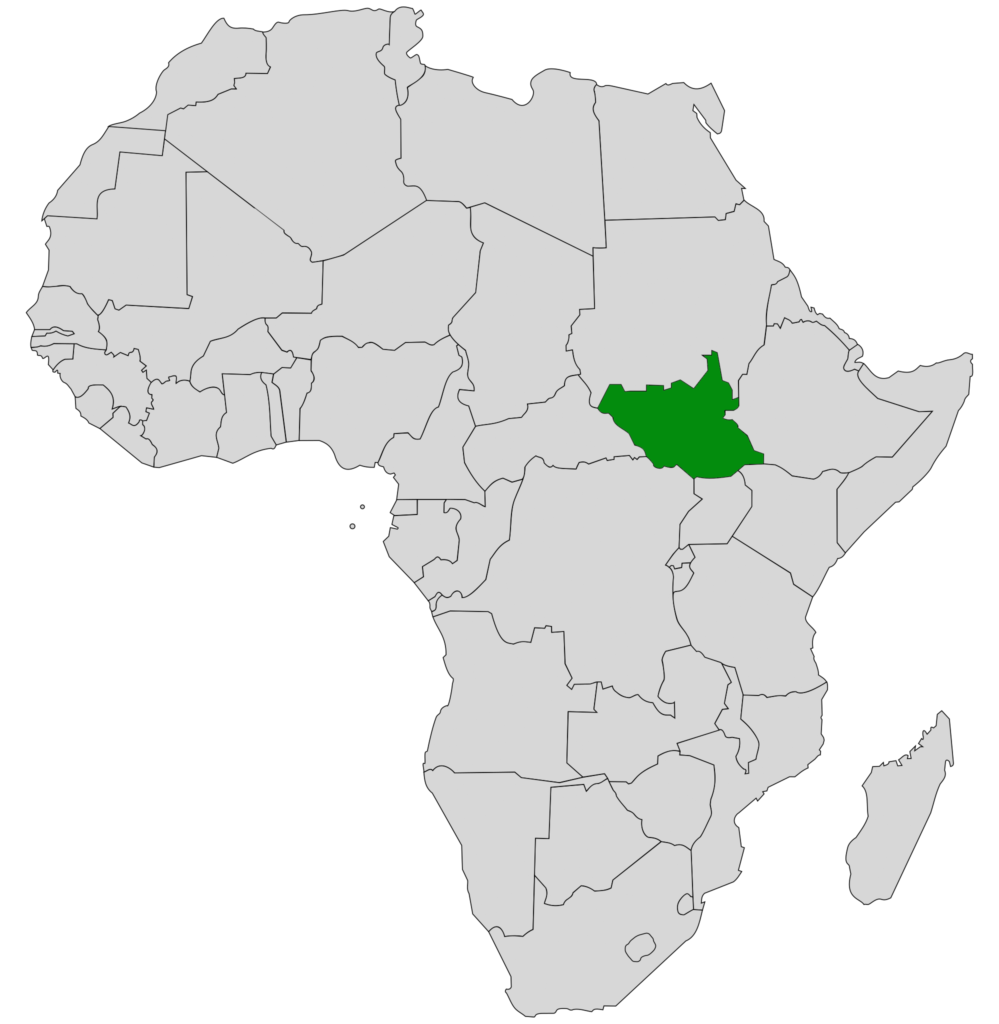
Sudan
Why Film in Sudan?
Sudan holds extraordinary heritage – more pyramids than Egypt, ancient Nubian and Kushite sites and pristine Red Sea reefs – but the country is currently affected by conflict, and filming is not feasible for most productions at this time.
- The Nubian pyramids of Meroë – more than in Egypt
- Jebel Barkal and ancient Kushite heritage
- The confluence of the Blue and White Nile
- Pristine Red Sea reefs and the Sanganeb atoll
- Nubian villages and painted houses
- The whirling dervishes of Omdurman
- Vast Nubian Desert and the Nile
- Material of great significance, for a future when conditions allow
-
Capital City
Khartoum
-
Main Cities
Khartoum, Omdurman and Port Sudan
-
Main Languages
Arabic and English (both official)
-
Currency
Sudanese Pound (SDG)
-
Weather
November to April – Dry season with stable weather, lower humidity, and clear skies, making it ideal for outdoor filming and travel across the country. May to October – Rainy season, particularly in the south and central regions. Some areas may become inaccessible due to flooding and poor road conditions, but the landscape turns lush and green, which can be visually striking for certain projects.
-
Climate
Desert – the Nile and Red Sea coast
-
Best Time To Shoot
November to February (cooler)
-
Main Production Hubs
Khartoum / Port Sudan (situation-dependent)
Production Services
Our Sudan production services include:
- Local Producers
- Film Fixers
- Production Management
- Film, Video & Stills Crew
- Camera Equipment
- Lighting & Grip
- Drone Operators
- Location Scouting
- Film Permits
- Casting
- Transport & Logistics
- Crew & Cast Accommodation
- Security
- Catering
Crew & Equipment
Sudan would suit documentary and heritage productions, but filming is currently constrained by the conflict, and any enquiry begins with an honest situation assessment.
Local fixers may support where and when conditions allow; senior technical crew and specialist equipment would be brought in from abroad.
Any future production would need to plan around significant security, logistical and humanitarian considerations.
Top Filming Locations
-
Meroë pyramids (UNESCO)
Steep-sided Nubian pyramids in the desert.
-
The Nile confluence, Khartoum
Where the Blue and White Nile meet.
-
Old Dongola
Medieval Nubian ruins.
-
Suakin
A ruined coral-stone port.
-
Jebel Barkal & Napata (UNESCO)
A sacred mountain and temples.
-
The Nubian Desert
Vast, empty sands.
-
Nubian villages & painted houses
Colourful riverside homes.
-
Red Sea reefs & Sanganeb (UNESCO)
World-class diving.
-
Port Sudan & the Red Sea coast
Reefs and coastline.
-
The Bayuda Desert
Volcanic desert country.
-
Whirling dervishes, Omdurman
A hypnotic Friday ritual.
-
Sahara dunes & the Nile
Desert meeting the river.
-
Nubian & Kushite heritage
Ancient African civilisations.
-
Dinder National Park
Savanna wildlife.
-
Camel markets & caravans
Desert trade.
-
Meroitic pyramids at sunrise
Golden desert light.
-
The Nile cataracts
Rapids on the great river.
-
Desert & oasis landscapes
Timeless scenery.
-
Nubian culture
A distinct riverine people.
-
Vast Saharan and Nile wilderness
Immense country.
Hotel Options
When conditions allow, Sudan’s hotels would serve as bases. Access for filming is subject to the situation, approval and availability.
- Corinthia Hotel Khartoum – Landmark Nile-side hotel.
- Rotana / Grand Holiday Villa, Khartoum – City hotels.
- Port Sudan hotels – Red Sea coastal bases.
- Meroë tented camps – Pyramid-side desert bases.
- Karima (Jebel Barkal) lodges – Heritage-site bases.
- Nubian guesthouses – Riverside accommodation.
Crew & Cast Accommodation
When conditions allow, cast and crew accommodation would centre on Khartoum, Port Sudan and desert camps near the heritage sites. All arrangements are subject to the situation.
- Luxury (talent, directors, key clients)
Corinthia Hotel Khartoum – City base for a future when conditions allow. - Mid-range (main crew, production team)
Khartoum: city hotels – Capital bases when feasible.
Port Sudan: coastal hotels – Red Sea bases when feasible. - Budget & serviced options (extended crew, longer shoots)
City guesthouses – Value options when feasible.
Meroë and Karima camps – Desert bases near the pyramids.
Accommodation availability and rates vary by season and should be booked well in advance. African Fixer manages crew and cast bookings, transfers and per-location logistics as part of production support.
Best Time To Shoot
- November to February – The cooler season, in a future when filming is possible.
- The desert and pyramids are best in the cooler months and low light.
- March to October is very hot.
- The Red Sea is warm and clear much of the year.
Visa Requirements
International cast and crew should confirm visa and work permission requirements before travelling. Typical documents may include a valid passport, flight details, accommodation details, invitation letter, crew list and equipment list.
International Crew Accreditation
International productions may require local coordination, film permissions and supporting letters depending on the production type, locations and crew nationality, and should work with an in-country fixer or service company.
General Film Permit
In normal times, filming permits are arranged through the relevant authorities, with heritage permissions for the pyramids and Nubian sites. At present, the conflict makes standard permitting and access largely unavailable, and any enquiry is handled with an honest assessment of the situation.
Drone Permit
Drone use requires authorisation and is heavily restricted, particularly in the current environment. Any future drone filming would need permissions arranged well in advance.
Equipment Customs Clearance
Professional equipment can usually be temporarily imported with the correct customs documentation. An ATA Carnet may be used where applicable, and equipment lists should be prepared in advance.
Safety and Security
Important: Sudan is currently affected by an armed conflict that began in 2023, creating a severe humanitarian crisis, and governments advise against all travel. Filming is not feasible for most international productions at present. African Fixer provides an honest assessment and, where relevant, plans for a future when conditions allow.
Rebates & Incentives
Sudan does not operate a film cash rebate or incentive scheme for international productions.
The overriding consideration is the current conflict and safety. African Fixer will provide an honest assessment, and can help plan heritage-led projects for a future when conditions allow.
Frequently Asked Questions
At present, no – Sudan is affected by an armed conflict and governments advise against all travel, so filming is not feasible for most productions. We can help plan for a future when conditions allow.
Local support may be possible when conditions allow; technical crew and equipment would be brought in from abroad.
The Meroë pyramids, Jebel Barkal, the Nile confluence at Khartoum and the Red Sea reefs.
When conditions allow, hotels in Khartoum and Port Sudan and desert camps near the pyramids.
Yes, with the correct customs paperwork; an ATA Carnet may be used. Plan to import camera, drone and specialist packages.
Yes. Drone use requires authorisation and can be heavily restricted; arrange permissions well in advance.
No. Sudan offers no film rebate, and the current conflict and safety are the overriding considerations.
Its heritage is extraordinary, but the current conflict means filming is not feasible for most productions at present.
Yes, where feasible and responsible. We provide production support and always lead with a feasibility and safety assessment for higher-risk destinations.
Did you know?
Sudan has more ancient pyramids than Egypt – around 200 steep-sided Nubian pyramids, most of them at Meroë – a breathtaking desert necropolis that remains one of Africa’s great, and least-seen, wonders.
PRO TIP:
For now, treat Sudan as a future project: keep the remarkable Meroë-and-Nubia heritage on your wish list, and check back with us for an honest, current assessment before any planning.