
Mauritania
Why Film in Mauritania?
Mauritania is the Sahara at its most epic and empty – the surreal Richat “Eye of the Sahara”, ancient caravan towns and libraries, giant dunes and the legendary iron-ore train – exceptional, rarely filmed desert material, planned region by region around safety.
- The Richat Structure – the “Eye of the Sahara”
- Ancient caravan towns and libraries at Chinguetti and Ouadane
- The iron-ore train – the world’s longest
- The dunes and oases of the Adrar
- The Banc d’Arguin birdlife coast
- Moorish desert culture and hospitality
- Vast, empty Saharan landscapes
- Genuinely epic, under-filmed desert material
-
Capital City
Nouakchott
-
Main Cities
Nouakchott, Nouadhibou, Atar and Chinguetti
-
Main Languages
Arabic (official); French widely used
-
Currency
Mauritanian Ouguiya (MRU)
-
Weather
Mauritania’s climate is divided into two main seasons: summer (May–October) and winter (November–April). The northern and central regions experience an arid desert climate, while the far south receives more rainfall. Nouadhibou, a coastal city, has a mild temperature range, fluctuating between 55°F–79°F (13°C–26°C) in January and 66°F–90°F (19°C–32°C) in October.
-
Climate
Saharan desert – very hot, dry
-
Best Time to Shoot
November to March (cooler)
-
Main Production Hubs
Nouakchott and Atar
Production Services
Our Mauritania production services include:
- Local Producers
- Film Fixers
- Production Management
- Film, Video & Stills Crew
- Camera Equipment
- Lighting & Grip
- Drone Operators
- Location Scouting
- Film Permits
- Casting
- Transport & Logistics
- Crew & Cast Accommodation
- Security
- Catering
Crew & Equipment
Mauritania suits documentary, travel and adventure productions, with local fixers experienced in Saharan logistics, especially around the Adrar.
The local crew base is small; local fixers, drivers and guides support on the ground, while senior technical crew and specialist equipment are brought in from abroad.
Productions plan for 4×4 convoys, fuel, water, desert camps and self-sufficiency, and typically import camera, drone and specialist packages.
Top Filming Locations
-
Tichitt & Oualata
Ancient Saharan towns with stunning architecture and historical significance.
-
Banc d’Arguin National Park
A globally important bird coast.
-
Nouadhibou & the shipwreck bay
A graveyard of rusting hulls.
-
Chinguetti (UNESCO)
An ancient caravan town of libraries.
-
The Adrar desert & dunes
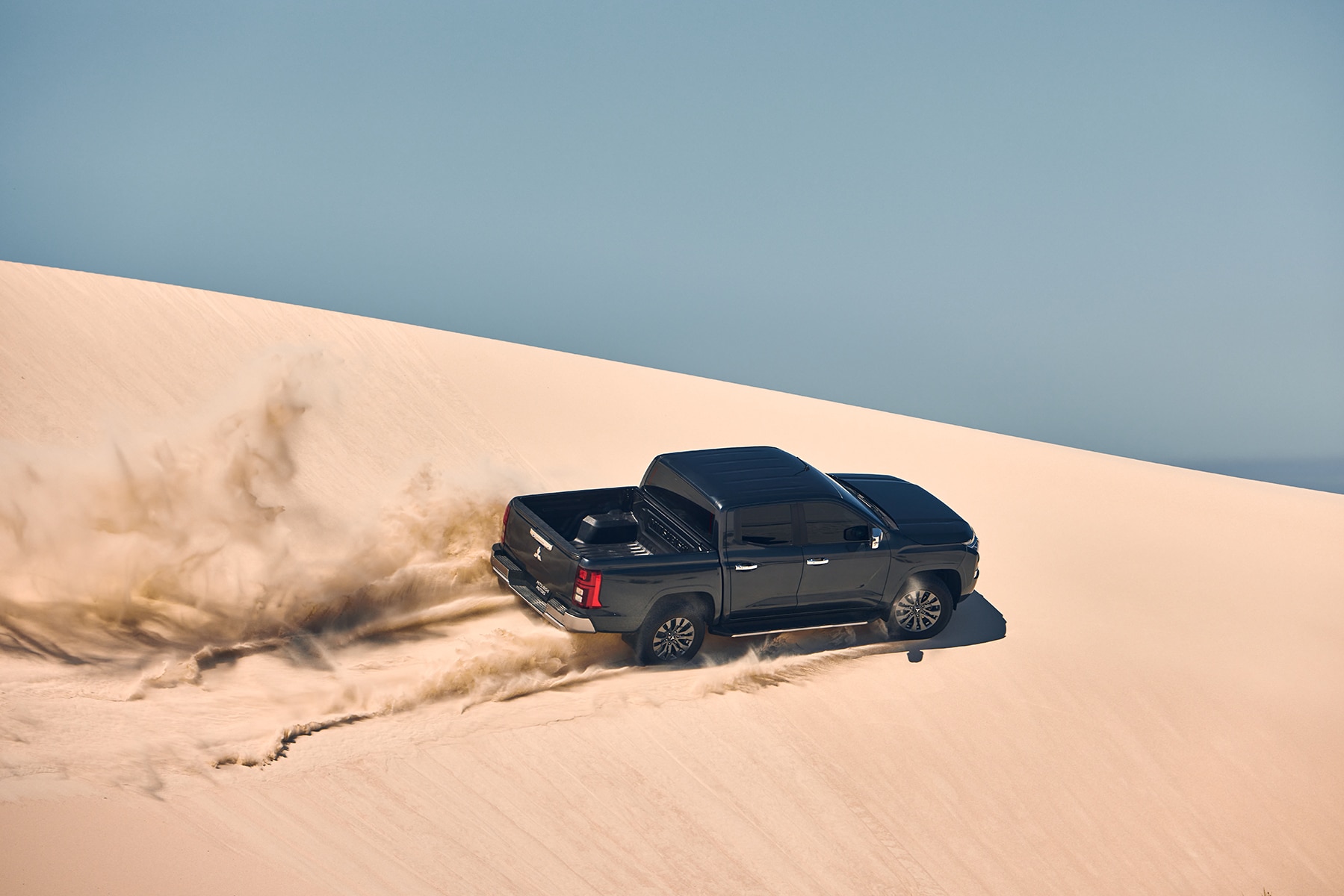
Classic Saharan scenery.
-
Nouakchott
The capital city, offering modern and traditional Mauritanian settings.
-
Richat Structure
The vast "Eye of the Sahara".
-
Ouadane (UNESCO)
A ruined Saharan trading city.
-
Terjit Oasis
A palm-shaded desert spring.
-
The iron-ore train
The world's longest train.
-
Ben Amera
A giant desert monolith.
-
Nouakchott fish market
The famous Port de Pêche.
-
Nouakchott camel market
Livestock and trade.
-
Amogjar Pass & rock art
Ancient engravings.
-
Azougui oasis
A historic date-palm oasis.
-
Saharan caravan routes
Timeless desert tracks.
-
Sahara dunes & ergs
Seas of sand.
-
Oases & palm groves
Green desert refuges.
-
Moorish culture & tea
Desert hospitality.
-
Camel caravans
Traditional desert transport.
-
Ancient manuscript libraries
Medieval Islamic texts.
Hotel & Camp Options (Filming Locations & Bases)
Mauritania’s Nouakchott hotels and Adrar desert camps serve as bases for productions. Access for filming is subject to approval and availability.
- Azalaï Hotel Marhaba, Nouakchott – The capital’s leading hotel.
- Nouakchott city hotels – Reliable urban bases.
- Auberges, Atar & Chinguetti – Desert-gateway bases.
- Desert camps, the Adrar – Location accommodation in the dunes.
- Terjit oasis camps – Palm-oasis bases.
- Ouadane guesthouses – Remote caravan-town bases.
Crew & Cast Accommodation
Cast and crew accommodation is strongest in Nouakchott, with auberges and desert camps in the Adrar. We arrange group bookings, 4×4 convoys and desert logistics.
- Luxury (talent, directors, key clients)
Azalaï Hotel Marhaba, Nouakchott – The premier city base for talent and clients. - Mid-range (main crew, production team)
Nouakchott: city hotels – Reliable capital bases.
Atar & Chinguetti: auberges – Desert-gateway bases. - Budget & serviced options (extended crew, longer shoots)
Nouakchott guesthouses – Value options for larger crews.
Desert camps and oasis auberges – Practical bases for Sahara shoots.
Accommodation availability and rates vary by season and should be booked well in advance. African Fixer manages crew and cast bookings, transfers and per-location logistics as part of production support.
Best Time to Shoot
- November to March – Cooler desert conditions, the main window.
- December to February – The most comfortable months for the Sahara.
- April to October is extremely hot.
- Desert nights are cold in winter, and dust and wind should be planned around.
Visa Requirements
International cast and crew should confirm visa and work permission requirements before travelling. Typical documents may include a valid passport, flight details, accommodation details, invitation letter, crew list and equipment list.
-
Required Documentation
A valid passport with at least six months’ validity, four recent photos, two completed and signed visa application forms, a cover letter from the applicant’s employer, valid passport details (issue and expiry dates), confirmed flight details, a hotel confirmation, an official invitation letter, a money order, and a vaccination card.
-
Timings
Visa applications must be submitted at least one month before travel. Processing typically takes 3 to 5 weeks.
-
Cost
30-Day Visa: $55 / 90-Day Visa: $95 / 360-Day Visa: $190
-
Additional Requirements
A vaccination certificate is required for Typhoid, Hepatitis A, Hepatitis B, Polio, Yellow Fever, Rabies, Tdap, and MMR.
International Crew Accreditation
International productions may require local coordination, film permissions and supporting letters depending on the production type, locations and crew nationality, and should work with an in-country fixer or service company.
-
Required Documentation
A list of equipment, crew passports, a project synopsis, filming locations in Mauritania, the project duration, and details of the final broadcaster.
-
Timings
10 working days.
-
Cost
A local production company partnership fee is mandatory, but the accreditation permit itself is issued at no additional charge.
General Film Permit
Filming permits are arranged through the relevant authorities, with permissions for protected areas such as Banc d’Arguin. Some regions require additional planning and local coordination. Work through an experienced local fixer and allow lead time.
Drone Permit
Filming permits are arranged through the relevant authorities, with permissions for protected areas such as Banc d’Arguin. Some regions require additional planning and local coordination. Work through an experienced local fixer and allow lead time.
-
Importation Regulations
The National Civil Aviation Agency (ANAC) has not codified drone regulations, and customs officials may confiscate drones due to unclear laws.
-
Permit Issuance
The Civil Aviation Authority of Mauritania issues drone permits.
-
Required Documentation
A formal request outlining the purpose of drone usage, authorization from the Directorate General of Civil Aviation, specifications of the drone(s), intended filming locations, project duration, drone registration, drone insurance, and details of the operator’s qualifications/license.
-
Timings
8 to 16 weeks.
-
Cost
Application cost only (amount not specified).
Equipment Customs Clearance
Professional equipment can usually be temporarily imported with the correct customs documentation. An ATA Carnet may be used where applicable, and equipment lists should be prepared in advance.
Safety and Security
The Adrar region (Atar, Chinguetti, Ouadane) and Nouakchott are generally the main, workable production areas with local support and standard precautions. Eastern regions and the borders with Mali carry travel advisories and should be avoided. Extreme desert heat, remoteness and self-sufficient logistics are further considerations, so planning is region by region.
Rebates & Incentives
Mauritania does not currently operate a formal national film cash rebate for international productions, so budgets should not rely on a rebate.
African Fixer will confirm the latest position on permit fees and any incentives during planning, and provide region-by-region feasibility and desert-logistics planning so productions are based in the safe, accessible areas.
Frequently Asked Questions
Yes. Permits are arranged through the relevant authorities, with additional permissions for protected and heritage areas. Work through a local fixer and allow lead time.
Mauritania has local fixers and desert guides; senior technical crew and specialist equipment are brought in from abroad.
The Richat "Eye of the Sahara", the caravan towns of Chinguetti and Ouadane, the iron-ore train and the Adrar dunes.
City hotels in Nouakchott and auberges and desert camps in the Adrar.
Yes, with the correct customs paperwork; an ATA Carnet may be used. Plan to import camera, drone and specialist packages.
Yes. Drone filming requires civil-aviation authorisation, with restrictions near sensitive sites and protected areas.
No. Mauritania does not currently offer a film rebate. We confirm permit fees before you budget.
Yes, especially for documentary, travel and adventure work needing epic Sahara, planned region by region for safety.
Yes. We provide full production support from planning through to wrap, including permits and logistics.
Did you know?
The Richat Structure, a 40-kilometre geological “bullseye” in the desert, is so vast and symmetrical it is used as a landmark by astronauts – and Mauritania’s iron-ore train, often over two kilometres long, is one of the longest and heaviest trains on Earth.
PRO TIP:
Base Sahara work in the safe Adrar region with 4×4 convoys, fuel and desert camps, shoot the cooler November-to-March window, and avoid the eastern and Mali-border areas that carry advisories.