
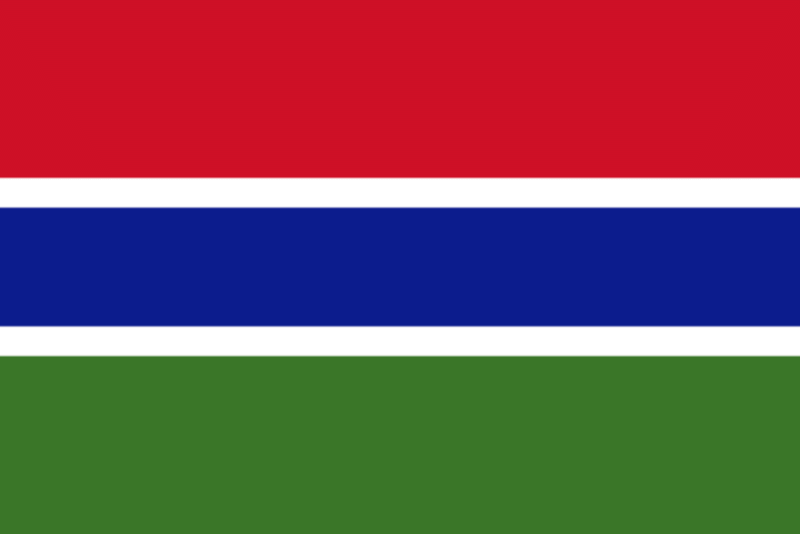
African Fixer provides full film, video and stills production services across The Gambia – the “Smiling Coast” – from the Gambia River and the slave-trade heritage of Kunta Kinteh Island to Atlantic beaches, the Makasutu forest and some of the best birdwatching in Africa. English-speaking, safe and compact, we manage producers, fixers, crew, permits and crew accommodation throughout.
African Fixer connects international production companies, agencies, brands, broadcasters and photographers with trusted local producers, fixers and crew across Gambia.
We support TV commercials, documentaries, feature films, branded content, corporate videos, music videos and still photography campaigns with experienced local teams and reliable on-the-ground production support.
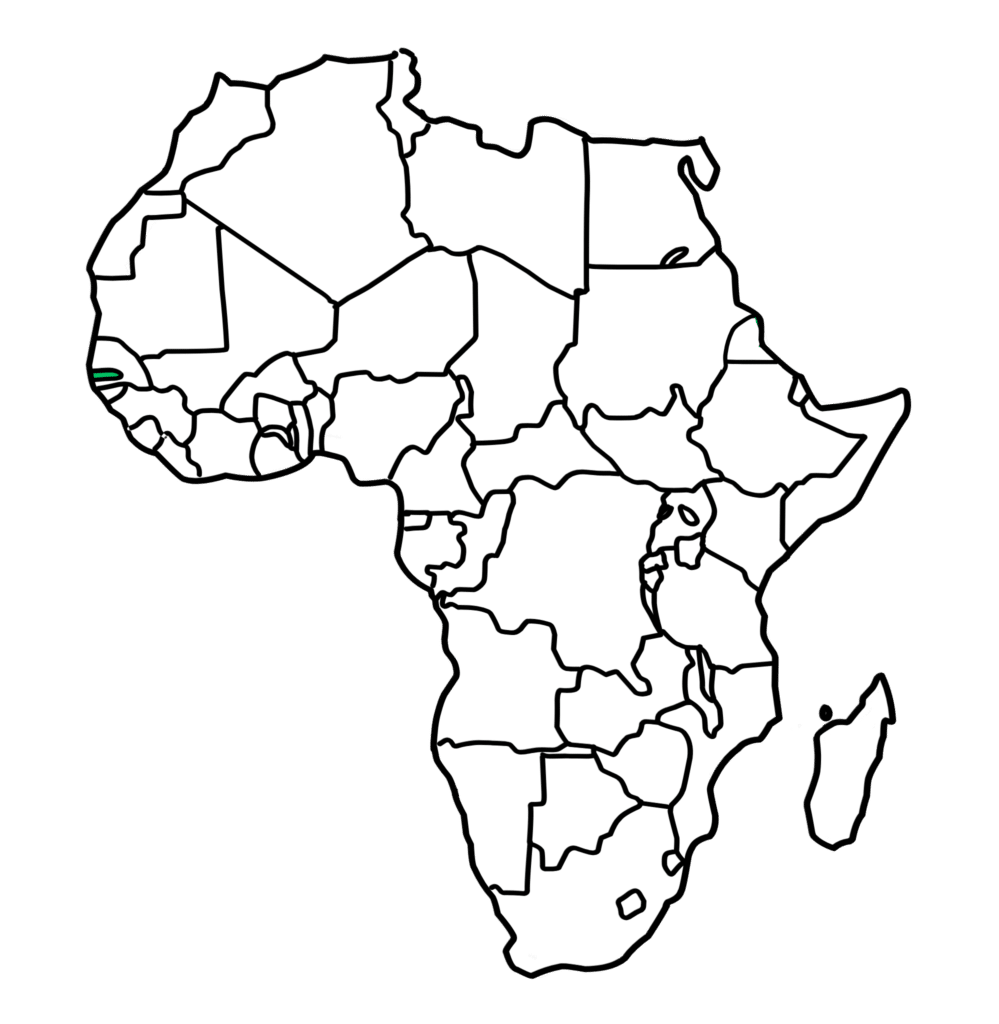
The Gambia is a tiny, safe, English-speaking country wrapped around its great river, offering Atlantic beaches, rich birdlife, mangrove creeks, powerful “Roots” heritage and a famously warm welcome – easy, photogenic and under-filmed.
Banjul
Banjul, Serrekunda and Brikama
English (official); Mandinka, Wolof and Fula
Gambian Dalasi (GMD)
Gambia experiences a distinct dry and wet season - Dry Season (November – May): Long and arid, ideal for filming with minimal weather disruptions. Wet Season (June – October): Short but intense, with heavy rainfall and increased humidity.
Tropical – dry season November to May
November to February (dry and cooler)
Banjul and the Kombos coast
Our Gambia production services include:
The Gambia suits travel, documentary, wildlife and lifestyle productions, with local fixers and a modest crew base, drawing on Senegalese resources when needed.
A local base of fixers, guides and production assistants supports on the ground, with senior technical crew and specialist gear brought in from Senegal or Europe.
Productions plan to import or regionally source camera, drone and specialist packages, aided by the compact geography.
The country's defining waterway.
A sacred crocodile site.
Pirogues and smokehouses.
Accessible forest and wildlife.
Monkeys near the beaches.
Mangrove, palm and wildlife.
Slave-trade heritage.
The capital and its monument.
The main Atlantic resort coast.
Chimps on the Baboon Islands.
Ancient megaliths.
An upriver colonial town.
A birdwatching capital.
The country's biggest market.
Green tidal channels.
Coastal working life.
Golden light on the water.
Countryside life.
Quiet border beaches.
The national welcome.
The Gambia’s beach resorts and river lodges serve as bases for travel and wildlife productions. Access for filming is subject to approval and availability.
Cast and crew accommodation is concentrated on the Kombos coast, with the Makasutu lodge inland and camps upriver. We arrange group bookings, boats and transfers.
Accommodation availability and rates vary by season and should be booked well in advance. African Fixer manages crew and cast bookings, transfers and per-location logistics as part of production support.
International cast and crew should confirm visa and work permission requirements before travelling. Typical documents may include a valid passport, flight details, accommodation details, invitation letter, crew list and equipment list.
A departure and arrival tax of $20 each (totaling $40) is payable at the airport. No prior application or documentation is needed.
International productions may require local coordination, film permissions and supporting letters depending on the production type, locations and crew nationality, and should work with an in-country fixer or service company.
Filming permits are arranged through the relevant authorities, with heritage permissions for Kunta Kinteh Island and the Wassu circles and reserve permits for wildlife areas. Work through a local fixer and allow lead time.
Filming permits are arranged through the relevant authorities, with heritage permissions for Kunta Kinteh Island and the Wassu circles and reserve permits for wildlife areas. Work through a local fixer and allow lead time.
Professional equipment can usually be temporarily imported with the correct customs documentation. An ATA Carnet may be used where applicable, and equipment lists should be prepared in advance.
Declare all equipment upon arrival. Present an equipment list to customs officials. Fixer assistance is available for smooth clearance.
Crew list with corresponding equipment details, Equipment values and serial numbers
Ministry of Information
1 week
5% of equipment value
The Gambia is very safe, peaceful and welcoming, and easy to move around. Standard precautions apply, malaria precautions are advised, and its strong package-tourism infrastructure and English language make logistics straightforward.
The Gambia does not currently operate a formal national film cash rebate for international productions, so budgets should not rely on a rebate.
African Fixer will confirm the latest position on permit fees and any incentives during planning, and manage the permissions and river logistics that make The Gambia accessible.
Yes. Permits are arranged through the relevant authorities, with additional permissions for protected and heritage areas. Work through a local fixer and allow lead time.
The Gambia has local fixers and a modest crew base, drawing on Senegalese crew and equipment when needed.
The Gambia River, Kunta Kinteh Island, the Atlantic beaches, the Makasutu forest and the country's rich birdlife.
Beach resorts on the Kombos coast, the Makasutu lodge inland and camps upriver.
Yes, with the correct customs paperwork; an ATA Carnet may be used. Plan to import camera, drone and specialist packages.
Yes. Drone filming requires civil-aviation authorisation, with restrictions near sensitive sites and protected areas.
No. The Gambia does not currently offer a film rebate. We confirm permit fees before you budget.
Yes, especially for travel, wildlife and documentary work, and being safe and English-speaking makes it very easy.
Yes, where feasible and responsible. We provide production support and always lead with a feasibility and safety assessment for higher-risk destinations.
The Gambia is mainland Africa’s smallest country, a narrow ribbon of land following the Gambia River – and Kunta Kinteh Island, made famous by Alex Haley’s “Roots”, is a powerful UNESCO monument to the transatlantic slave trade.
PRO TIP:
Use the compact geography to pair the coast, the river and the Makasutu forest in a tight schedule, shoot the cool November-to-February window, and lean on English-speaking crews and Senegalese resources next door.