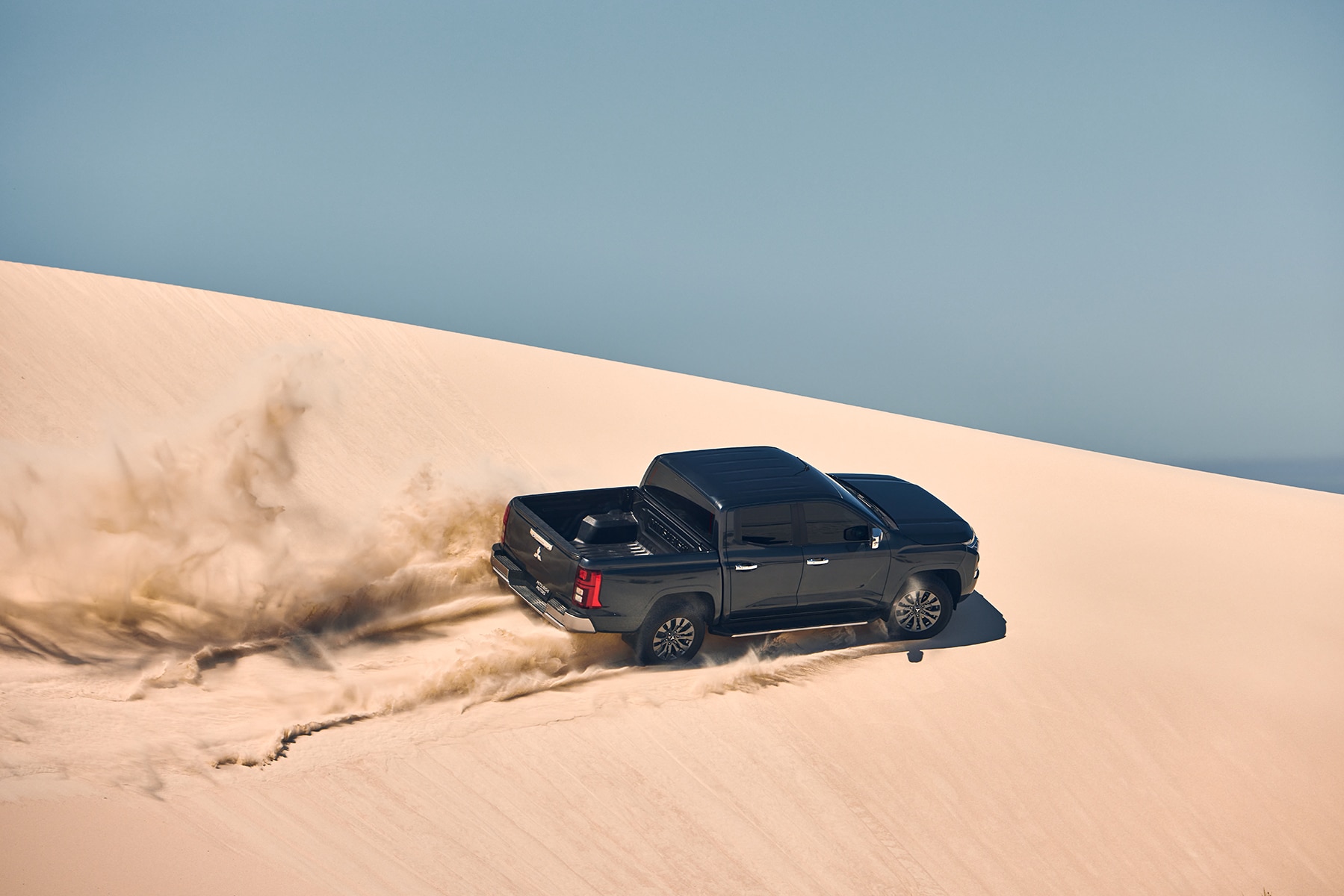
Zambia offers some of Southern Africa’s most visually powerful natural environments. Vast river systems, open landscapes, national parks, and low-density urban areas make it attractive for documentaries, commercials, adventure productions, and factual content. At the same time, these environments demand careful planning. Production Support Zambia provides the operational structure required to film safely and efficiently in a country defined by distance, terrain, and conservation-sensitive locations.
Filming in Zambia is rarely about speed. It is about control, foresight, and respect for logistical realities. Locations are often remote, infrastructure can be limited, and access may depend on environmental regulations or seasonal conditions. Without structured planning, even simple shoots can face delays.
African Fixer operates as an operational partner within this framework, coordinating the logistics that allow productions to function reliably across Zambia’s diverse environments.
Why Zambia Requires a Different Production Mindset
Zambia is not a plug-and-play filming destination. It rewards productions that plan conservatively and punishes those that assume flexibility will solve logistical gaps.
Production Support Zambia focuses on preparing for:
- long travel distances between locations
- limited road infrastructure in rural areas
- wildlife and conservation restrictions
- national park filming requirements
- seasonal weather patterns
- restricted access to power and services
- controlled drone usage
These factors influence every stage of production, from scheduling and transport to crew welfare and equipment planning.
Strong preparation reduces pressure during filming and allows crews to work confidently in environments that would otherwise feel unpredictable.
What Production Support Covers in the Zambian Context
Production Support Zambia refers to a coordinated set of logistical services designed to support filming in both developed and remote environments. These services typically include immigration coordination for international crew, filming permits, transport planning, equipment logistics, local crew sourcing, and on-ground coordination.
Unlike high-density urban markets, Zambia’s challenges are often logistical rather than administrative. Access, distance, and timing matter more than speed. Decisions about vehicles, fuel, accommodation, and backup plans carry significant weight.
African Fixer works to align these services into a single operational plan that reflects how Zambia functions on the ground.
The Role of Film Fixers in Zambia
Film fixers in Zambia play a practical role in bridging the gap between production expectations and local conditions. Their value lies in knowledge of terrain, access routes, authority structures, and community engagement.
Effective fixers coordinate with national parks, local councils, private landowners, and conservation authorities. They help productions understand where filming is permitted, what conditions apply, and how to operate without disrupting sensitive environments.
Film fixers in Zambia also support location scouting, access verification, and on-site problem-solving, particularly in remote areas where alternatives are limited.
African Fixer works alongside experienced local fixers whose focus is operational reliability and environmental compliance.
Zambia as a Filming Environment
Zambia’s appeal lies in its scale and authenticity. Locations often feel untouched, but this also means they are less forgiving of poor planning. Roads may be unsealed, distances underestimated, and services unavailable outside major towns.
Film Production Services in Zambia must be grounded in realism. This includes understanding travel times, planning for limited connectivity, and ensuring crew safety in isolated areas.
Production planning must account for daylight hours, seasonal weather, and wildlife movement. These factors cannot be negotiated on the day and must be built into schedules from the start.
Avoiding Assumptions in Remote Production
One of the most common challenges in Zambia is assumption. Assuming a road is accessible year-round, assuming power will be available, or assuming permits can be adjusted quickly often leads to delays.
Production Support Zambia prioritises verification. Routes are checked, access confirmed, authorities consulted, and contingencies planned. This approach protects both the production and the environments in which it operates.
Preparedness is not optional in Zambia. It is foundational.
Control as a Tool for Efficiency
In remote environments, control creates efficiency. When logistics are planned conservatively and responsibilities are clear, productions can operate smoothly even when conditions change.
Production Support Zambia provides the framework that allows crews to adapt without compromising safety, schedules, or compliance.
This operational discipline is what turns Zambia’s vast landscapes into viable filming locations.
Zambia’s Filming Environments and Terrain-Based Logistics
Zambia’s filming environments are defined by space, distance, and natural systems rather than urban density. Locations are often expansive, visually striking, and environmentally sensitive. While this creates strong cinematic value, it also requires careful logistical planning. Production Support Zambia adapts to these conditions by aligning production needs with terrain, access, and conservation realities.
A single logistical approach does not work across Zambia. Each environment presents different challenges, and planning must reflect how people, vehicles, and equipment move through those spaces.
National Parks and Conservation Areas
Zambia is home to some of Southern Africa’s most important national parks and wildlife reserves. These locations are frequently used for documentaries, natural history productions, and branded content focused on conservation or adventure.
Production Support Zambia in these environments prioritises compliance and safety. Filming is subject to park regulations, restricted movement zones, and wildlife considerations. Crew size, vehicle access, and filming hours are often limited.
Key logistical considerations include:
- permits issued by conservation authorities
- approved guides or rangers on site
- restricted driving routes
- wildlife safety protocols
- limits on equipment and drone usage
Film fixers in Zambia play a critical role in coordinating with park authorities and ensuring filming activity respects conservation requirements.
River Systems and Water-Based Locations
The Zambezi River and its surrounding landscapes offer dramatic visual opportunities, from wide riverbanks to waterfalls and gorges. These locations often involve water access, boats, and elevated risk factors.
Production Support Zambia in river environments focuses on safety planning, access coordination, and timing. Water levels can change seasonally, affecting boat movement and shoreline access.
Logistics planning must account for:
- safe transport of crew and equipment
- coordination with local operators
- weather and water conditions
- emergency response planning
Filming near water requires conservative scheduling and clear communication between departments.
Urban Centres and Towns
While Zambia is known for its natural environments, urban centres such as Lusaka, Livingstone, and regional towns are often used for narrative, commercial, and documentary filming.
Production Support Zambia in urban areas focuses on access, timing, and coordination with local authorities. While congestion is lower than in major metropolitan markets, infrastructure limitations still require planning.
Urban filming may involve:
- municipal permissions
- coordination with property owners
- managing vehicle access and parking
- controlling noise and public interaction
Film Production Services in Zambia operating in towns must remain flexible while maintaining clear access plans.
Rural and Remote Locations
Many of Zambia’s most visually compelling locations sit far from major roads and services. Filming in these areas requires conservative logistics and a focus on crew welfare.
Production Support Zambia in remote areas includes:
- route verification and travel timing
- suitable vehicles for terrain conditions
- fuel planning and backups
- accommodation and catering logistics
- medical and safety contingencies
Assuming services will be available on arrival is one of the most common errors in remote production. Planning must be thorough and realistic.
Matching Logistics to Terrain
Terrain influences every logistical decision in Zambia. Vehicles, equipment weight, crew size, and schedules must be selected based on access conditions rather than convenience.
Film fixers in Zambia provide essential local insight into which routes are reliable, which locations are seasonally accessible, and where contingencies are required. Their input helps productions avoid costly delays or unsafe conditions.
African Fixer coordinates these terrain-based strategies to ensure logistics remain aligned with real conditions on the ground.
Why Environment-Specific Planning Matters
Choosing a location without understanding its logistical implications often leads to cascading problems. Travel delays affect schedules, limited access affects equipment choices, and environmental restrictions affect filming scope.
Production Support Zambia works best when location selection and logistics planning happen together. This integrated approach protects timelines, budgets, and crew safety.
When planning reflects the environment rather than fighting it, Zambia becomes an efficient and rewarding filming destination.
Permits, Compliance, and Operating Within Zambia’s Regulatory Framework
Filming in Zambia requires engagement with a regulatory environment shaped by conservation priorities, land management structures, and national oversight. While the process is navigable, it demands early planning and accurate documentation. Production Support Zambia plays a key role in aligning production activity with these requirements so that filming can proceed without disruption.
Compliance in Zambia is closely tied to location type. Urban shoots, national parks, private land, and rural areas each involve different authorities and approval pathways. Treating all locations the same often leads to delays or denied access.
Authority Structures and Approval Pathways
Zambia’s filming approvals may involve national film authorities, conservation bodies, local councils, and private landowners. The responsible authority depends on where and how filming takes place.
Production Support Zambia begins by identifying which permissions are required for each activity. A documentary filming in a national park, a commercial shoot near a river, and a narrative scene in a town centre will each trigger different processes.
Clear mapping of approval responsibilities early in pre-production prevents duplication and conflicting instructions later.
Filming Permits and Location Access
Permits in Zambia are not issued as a single blanket approval. Access permissions often need to be negotiated separately for each location, particularly in conservation areas or on private land.
Production Support Zambia ensures that permits reflect the actual scope of filming, including crew size, equipment type, filming duration, and vehicle access. Inaccurate or incomplete permit applications can result in restrictions that limit what can be filmed on the day.
Film fixers in Zambia assist by liaising with local authorities and landowners, ensuring that expectations are aligned and conditions are clearly understood before filming begins.
Immigration and International Crew Entry
International productions must manage immigration requirements carefully. Crew members typically require appropriate visas, and in some cases additional authorisation depending on the nature of the work.
Production Support Zambia includes advising on visa categories, coordinating application timelines, and ensuring that documentation aligns with declared filming activities. Early coordination reduces the risk of delays at entry points or complications on arrival.
Staggered arrivals and clear crew manifests help maintain control over logistics and accommodation planning.
Equipment Importation and Customs Processes
Bringing filming equipment into Zambia requires advance preparation. Customs procedures depend on equipment value, duration of stay, and whether items will be re-exported after filming.
Film Production Services in Zambia must account for the time required to process equipment through customs. Temporary importation arrangements, carnets, or bonded clearances may apply depending on the production.
Production Support Zambia coordinates documentation and clearance processes to ensure equipment arrives on schedule and is available when needed. Poorly prepared paperwork can lead to equipment being held, delaying filming.
Drone Filming and Restricted Activities
Drone usage in Zambia is regulated and subject to approval from aviation authorities and, in some cases, conservation bodies. Restrictions may apply based on proximity to wildlife, protected areas, or infrastructure.
Production Support Zambia includes managing drone applications and advising on operational limitations. Filming without proper approval can result in immediate shutdowns or penalties.
Film fixers in Zambia often provide guidance on local sensitivities and help identify alternative approaches when drone use is restricted.
Managing Compliance Without Disrupting Filming
Compliance does not need to slow production down when it is integrated into planning from the start. Production Support Zambia aligns permitting, immigration, and equipment logistics with the overall schedule.
This integration reduces last-minute negotiations and allows filming days to proceed as planned. When compliance is treated as part of production planning rather than an obstacle, crews gain confidence and clarity.
African Fixer coordinates these processes so that regulatory requirements support the production rather than constrain it.
The Risk of Informal Approaches
Attempting to bypass formal processes often leads to greater disruption in Zambia, particularly in conservation-sensitive environments. Unauthorised filming can result in access revocation, fines, or reputational damage.
Production Support Zambia exists to protect productions from these risks by ensuring that all activity is properly approved and documented.
Compliance as a Foundation for Access
When handled correctly, compliance becomes a facilitator rather than a barrier. It opens access to sensitive locations, builds trust with authorities, and protects long-term filming opportunities.
Production Support Zambia provides this foundation, allowing productions to operate responsibly and efficiently across diverse environments.
Security, On-Ground Coordination, and Maintaining Schedule Control
Filming in Zambia often takes crews into remote, open, and conservation-sensitive environments. Security planning and on-ground coordination are central to enabling productions that are both safe and efficient. Where locations involve wildlife zones, rivers, or unpopulated terrain, Production Support Zambia integrates risk management into every stage of planning and execution.
A production’s success is defined not only by its final images but also by its ability to maintain schedule control while protecting crew welfare, equipment integrity, and local environments.
Security as an Integrated Function
Security in Zambia is not about visible force. It is about foreseeing risk and mitigating it quietly and professionally. Whether a shoot takes place in a national park, near a remote riverbank, or within a town centre, the strategy must align with the environment’s character and the crew’s needs.
Production Support Zambia includes:
- assessing environmental and public interaction risk
- coordinating discreet security personnel where needed
- planning controlled access points at locations
- managing vehicle staging to protect equipment
- anticipating emergencies and communication channels
Security becomes part of the logistical rhythm, not an add-on.
Coordination on the Ground During Filming
Once filming begins, coordination becomes the most visible function of support. This is where planning meets execution — and where schedules are made or broken.
Production Support Zambia ensures that:
- transport arrives in sequence
- crew movements are predictable and safe
- location transitions are smooth
- communication channels are clear
- issues are escalated and resolved early
This on-ground orchestration reduces idle time, protects call sheets, and allows creative departments to operate without distraction.
Film fixers in Zambia are central to this function. Their day-to-day familiarity with terrain, language, authority checkpoints, and local stakeholders provides early warning of potential issues and solutions that keep filming on track.
Managing Change Without Losing Control
No production runs exactly as planned. Weather changes, unexpected road closures, vehicle delays, or wildlife movement can require adjustments on the day. The difference between disruption and adaptation lies in preparation.
Production Support Zambia builds contingency into schedules and logistics. Alternative routes, backup locations, and flexible call times are part of this strategy, allowing productions to respond to change without panic.
Film fixers in Zambia help translate real-time updates into actionable plans across departments, allowing crews to adjust without losing momentum.
Crew Welfare in Remote Environments
Filming in remote areas places unique demands on crew welfare. Long temperatures, extended travel times, limited services, and basic facilities require that support teams stay ahead of needs.
Production Support Zambia includes coordination of:
- suitable accommodation close to locations
- reliable catering matched to schedule demands
- water, shade, and weather-appropriate rest zones
- medical first response readiness
- emergency evacuation considerations
Taking crew welfare seriously preserves morale, protects health, and keeps productions running smoothly.
Keeping the Schedule and Protecting the Plan
Schedule control is one of the most valuable outcomes of strong logistical planning. When crew, transport, locations, and approvals are aligned, production days remain productive even under pressure.
Production Support Zambia is designed to protect shooting time. This includes reducing idle periods, avoiding repeated setup delays, and ensuring that each department has what it needs when it needs it.
Film Production Services in Zambia that lack this coordination often experience schedule drift — where small delays compound over time. Strong support prevents this and keeps productions aligned with their plan.
Clear Roles, Clear Outcomes
Clarity of roles matters. African Fixer operates strictly within the operational and logistical lane. Creative decisions, narrative direction, and design choices remain the responsibility of directors, producers, and creative leads.
This separation ensures that logistical decisions are made objectively, based on safety, timing, and feasibility rather than creative pressure or guesswork.
Production Support Zambia functions best when logistics are treated as a professional discipline in their own right.
Proven Experience
FAQ: Zambia
What is Production Support Zambia?
It includes the operational services necessary for filming in Zambia — permits, visas, logistics, transport, safety planning, and on-ground coordination.
Do you offer creative development or script services?
No. African Fixer provides logistics and operational support only.
Why are Film Fixers in Zambia important for international productions?
Because local fixers understand terrain, authority processes, access conditions, and community relations that directly influence production flow.
Can you assist with permits and location access?
Yes. We coordinate location permissions, conservation authority requirements, and access logistics for each environment.
Do you manage equipment importation and customs clearance?
Yes. We handle documentation and coordination to ensure equipment clears customs and is available when needed.
Can you support security and crew welfare planning?
Yes. We build security assessments and welfare coordination into the production plan.
Where do you support filming in Zambia?
Nationwide, including national parks, river systems, urban areas, and remote rural locations.
How early should productions contact you?
As early as possible, especially for conservation area permits, equipment customs, and remote location planning.
Closing Perspective
Zambia’s appeal lies in its space, natural systems, and striking environments. These assets are unlocked through preparation, discipline, and well-executed logistics.
When Production Support Zambia is aligned with real conditions, the country becomes not just film-friendly but highly productive. Productions benefit from clarity, safety, and structured workflow — allowing creative teams to focus entirely on capturing powerful images.
Film Production Services in Zambia succeed when grounded in realism and delivered with disciplined operational planning.
This blog post was written by Zandri Troskie-Naudé, using verified information provided by Zambian production partners and publicly available resources from national and regional film offices.
Film Authorities and Industry Resources in Zambia
Zambia’s filming approval structures involve national and conservation authorities, depending on location type and filming activity.
- Zambia National Broadcasting Corporation – https://www.znbc.co.zm/
- Zambia Tourism Agency – https://zambia.travel/zta.html
- Department of National Parks and Wildlife – https://www.mot.gov.zm/dnpw/
- Zambia Civil Aviation Authority – https://www.caa.co.zm/
With early planning and coordinated approvals, Zambia becomes a highly productive filming destination.