Quick answer: Filming in Rwanda requires permits arranged in advance, especially for Volcanoes National Park (home to mountain gorillas), Nyungwe Forest, and other protected areas. Productions also need vetted local crew, reliable 4×4 transport across mountainous terrain, customs clearance for imported gear, and experienced guides for wildlife and forest work. African Fixer provides end-to-end Production Support Rwanda — permits, crew, transport, scouting, equipment, and on-set safety — so international teams can film smoothly across the “Land of a Thousand Hills.”
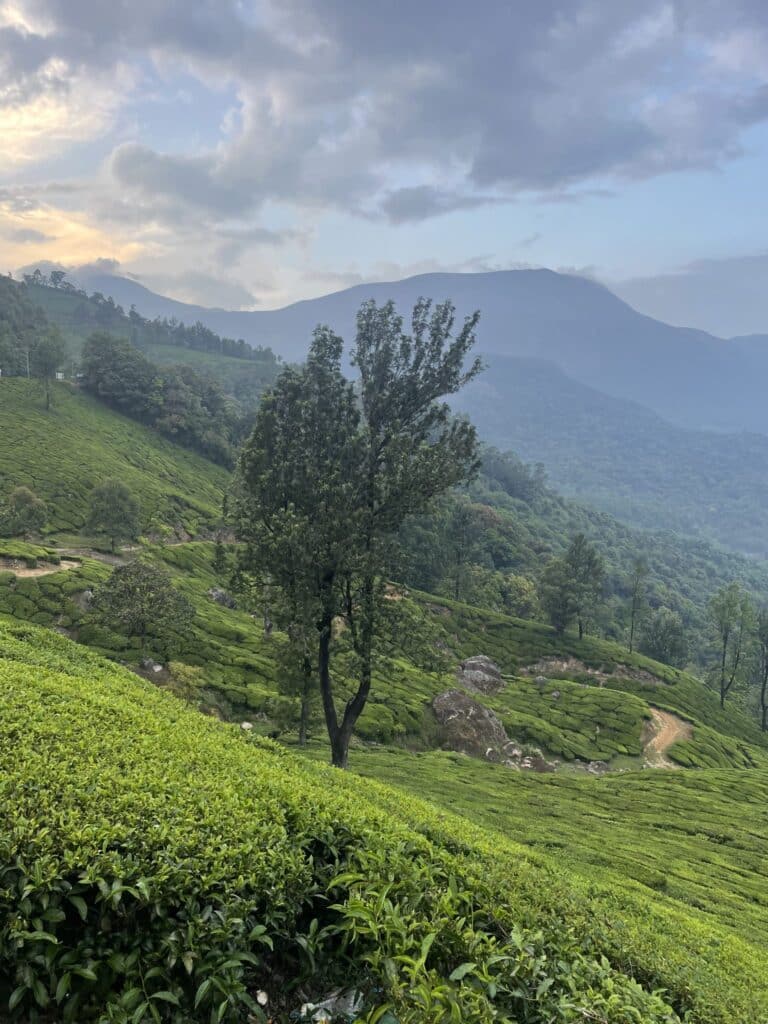
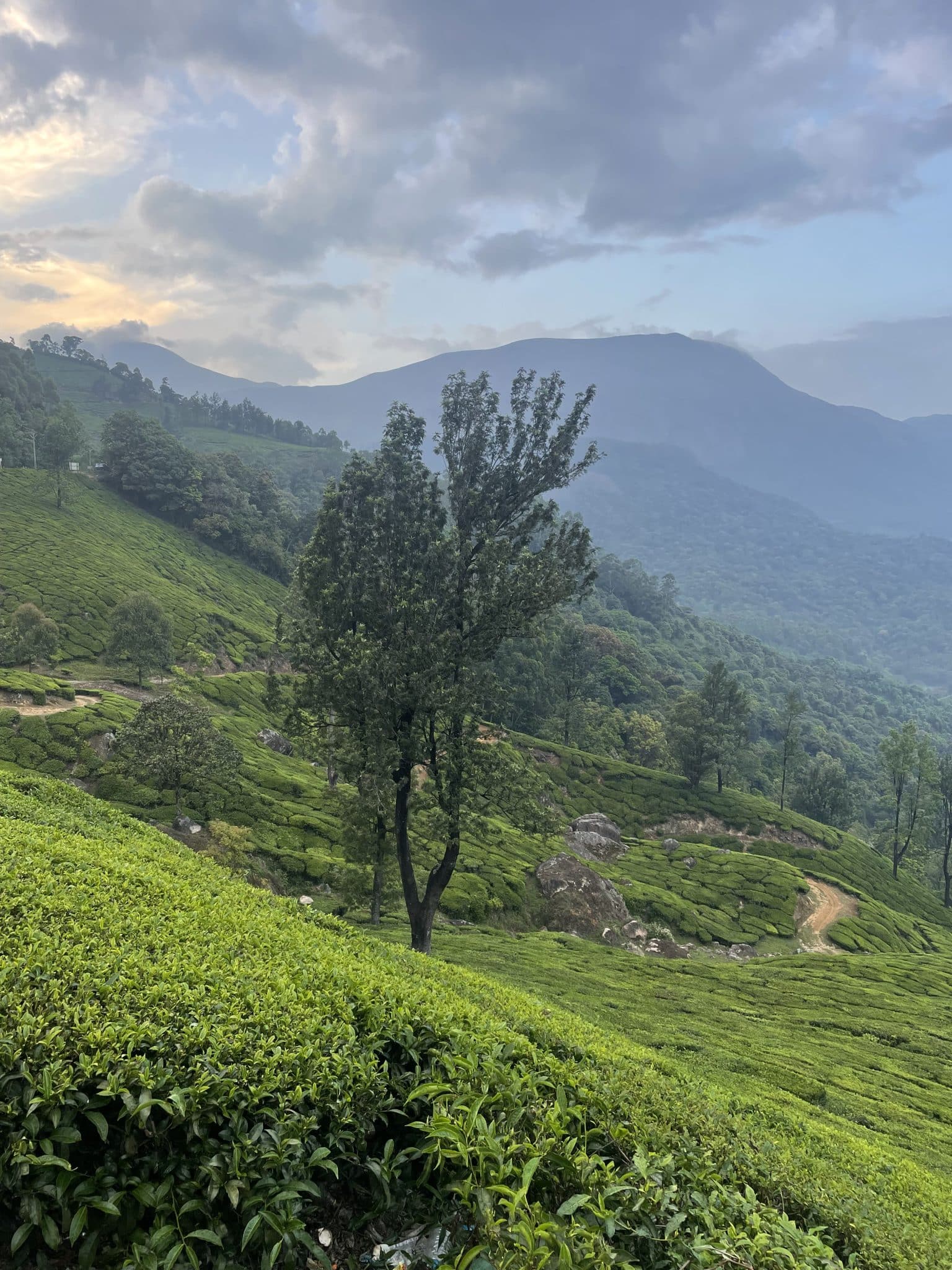
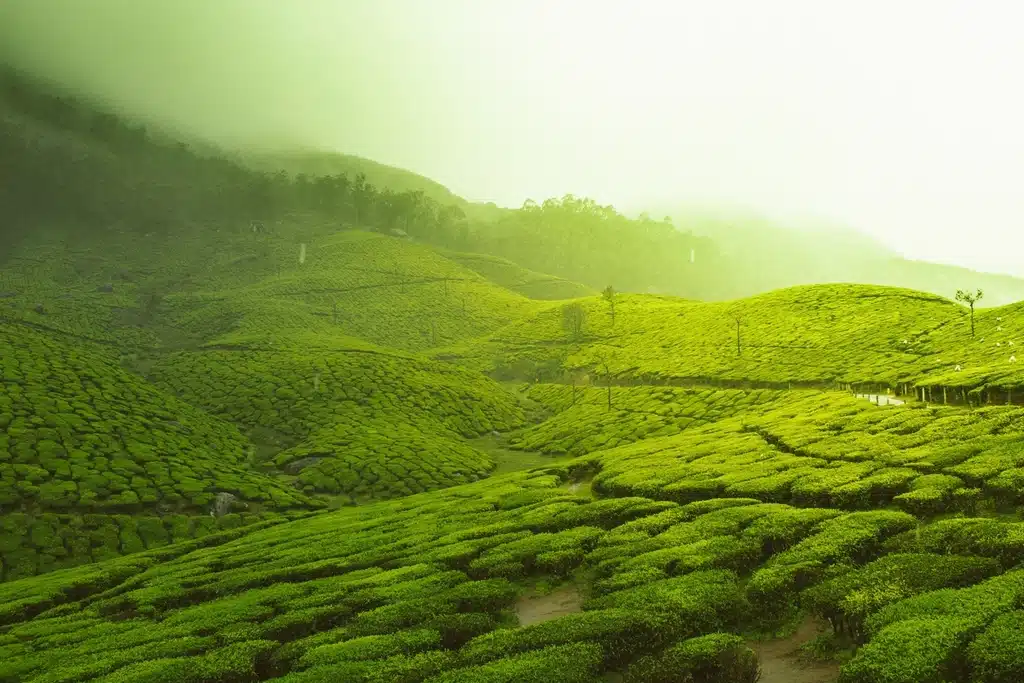
Rwanda has become one of Africa’s most compelling filming destinations: clean, organised, safe, and visually distinctive. From the misty volcanoes of the north to the shores of Lake Kivu and the streets of Kigali, the country offers a tight, accessible range of locations within short driving distances. But its signature environments — gorilla habitat, rainforest, and steep terrain — are conservation-sensitive and require disciplined coordination. Production Support Rwanda provides the operational framework that lets filming run efficiently from city to mountain to forest.
As experienced film fixers in Rwanda, African Fixer delivers the on-the-ground coordination that keeps shoots on schedule — permits, crew, transport, scouting, equipment, and secure movement throughout.
What does a film fixer in Rwanda do?
A film fixer in Rwanda is a local line producer who handles every operational element of a shoot so an international crew can focus on the creative. Production Support Rwanda from African Fixer covers each of these areas end to end. The core areas:
- Film permits and authorisations — securing approvals for national parks, protected areas, and public spaces in advance.
- Local crew and heads of department — sourcing and vetting crew, fixers, and HODs, including those experienced in gorilla-trekking and forest conditions.
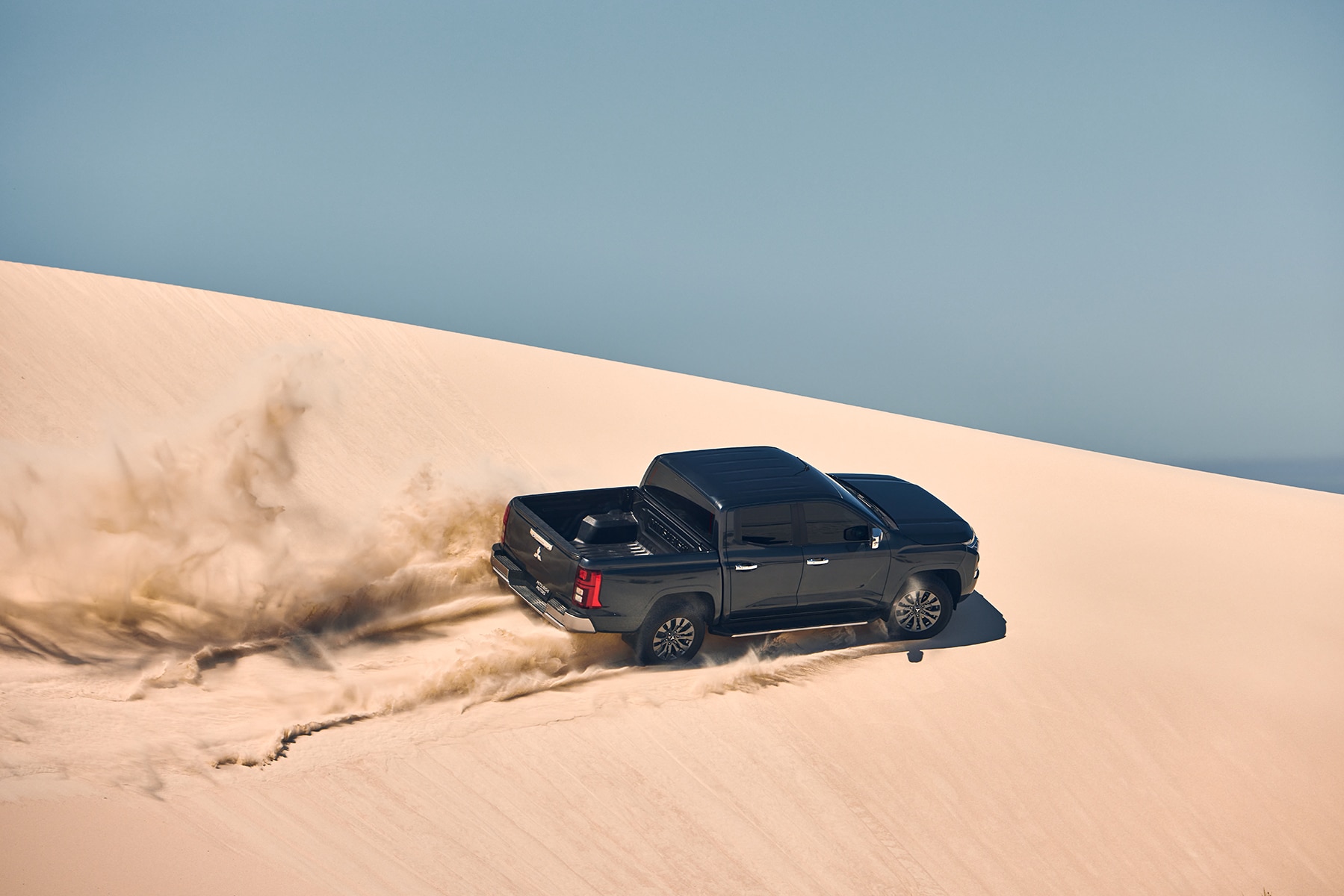
- Transport and logistics — 4×4 vehicles for mountainous terrain, coordination between Kigali, Musanze, and Rusizi, and movement of cast, crew, and gear.
- Equipment and shipping — regional hire or customs and carnet clearance for imported equipment.
- Location scouting — matching the creative brief to season and budget across volcanoes, lakes, forest, and city.
- Accommodation, catering, and travel — lodges, hotels, dietary needs, and full-unit travel coordination.
- Security and safety — risk planning for wildlife and remote-area work with experienced guides.
Do you need a permit to film in Rwanda?
Yes. Filming in Rwanda — particularly inside Volcanoes National Park, Nyungwe Forest, Akagera National Park, and other protected areas — requires permits and clearances arranged in advance with the relevant authorities. Gorilla-habitat filming is especially controlled, with limits on group size, distance, and time. A local fixer manages applications, liaises with authorities, and ensures documentation matches the locations, equipment (including drones), and shoot type.
Best filming locations in Rwanda
| Location | What it offers | Best for |
|---|---|---|
| Volcanoes National Park | Mountain gorillas, golden monkeys, dramatic volcanic peaks | Wildlife, documentary |
| Lake Kivu | One of Africa’s great lakes, with calm shores and island scenery | Travel, lifestyle, commercials |
| Nyungwe Forest | Ancient montane rainforest with a canopy walkway | Nature, adventure, documentary |
| Kigali | A clean, modern, safe capital with strong infrastructure | Urban, business, factual content |
| Akagera National Park | Big Five savannah landscapes in the east | Wildlife, safari |
Rwanda’s compactness is a practical advantage: locations are close together, infrastructure is strong by regional standards, and Kigali is a reliable production base.
When is the best time to film in Rwanda?
Rwanda has two dry seasons (roughly June to September and December to February) that generally offer the most reliable access and conditions for trekking and outdoor work. The wetter months bring lush green landscapes and atmospheric mist but also muddy trails and changeable conditions in forest and mountain areas. African Fixer plans schedules around these patterns and around park access rules.
Why choose Production Support Rwanda from African Fixer?
Rwanda is widely regarded as one of the safest and most efficient places to film in Africa. Its infrastructure, organisation, and proactive approach to tourism and screen industries make it unusually straightforward for a destination with such dramatic natural assets. The main complexity lies in conservation rules and terrain, both of which are managed through proper planning.
Frequently asked questions
Can you film mountain gorillas in Rwanda?
Yes, but it is tightly regulated. Filming requires specific permits, and access is governed by rules on group size, distance from animals, and time spent. A fixer arranges the permits and on-the-ground guide support.
Can you fly a drone in Rwanda?
Drone filming is possible but requires authorisation, particularly near protected areas, wildlife, and controlled airspace. A fixer secures clearances and operator support in advance.
Which towns are the main production bases?
Kigali (the capital and main hub), Musanze (gateway to Volcanoes National Park), and Rusizi (near Nyungwe and Lake Kivu) are the principal bases.
Is Rwanda safe for film production?
Rwanda is consistently rated among the safest countries in Africa for travel and production, with strong infrastructure and a stable operating environment — ideal conditions for Production Support Rwanda.
Work with film fixers who know Rwanda
African Fixer provides full Production Support Rwanda — structured logistics, local expertise, and reliable coordination from pre-production through wrap.
Planning a shoot in Rwanda? Contact African Fixer to start building your production.